

Author: admin
The Ultimate Guide with Calabash Adventures
Planning your dream safari in Tanzania? At Calabash Adventures, we specialize in crafting tailor-made journeys that immerse you in the wild beauty of Africa — from the sweeping plains of the Serengeti to the dramatic crater floor of Ngorongoro.
Whether you’re a first-time traveler or a seasoned adventurer, this guide walks you through everything you need to know about how safaris work in Tanzania, what’s included, how to save, and how to make your trip truly unforgettable.
What Does “Safari” Really Mean?
The word safari comes from Swahili, meaning “journey.” In Tanzania, it’s a deeply immersive experience — a chance to witness lions on the hunt, elephants at a watering hole, or the Great Migration thundering across the plains.
At Calabash Adventures, we see safari not just as a trip, but a personalized journey through the soul of Africa.
How Is a Safari Done in Tanzania?
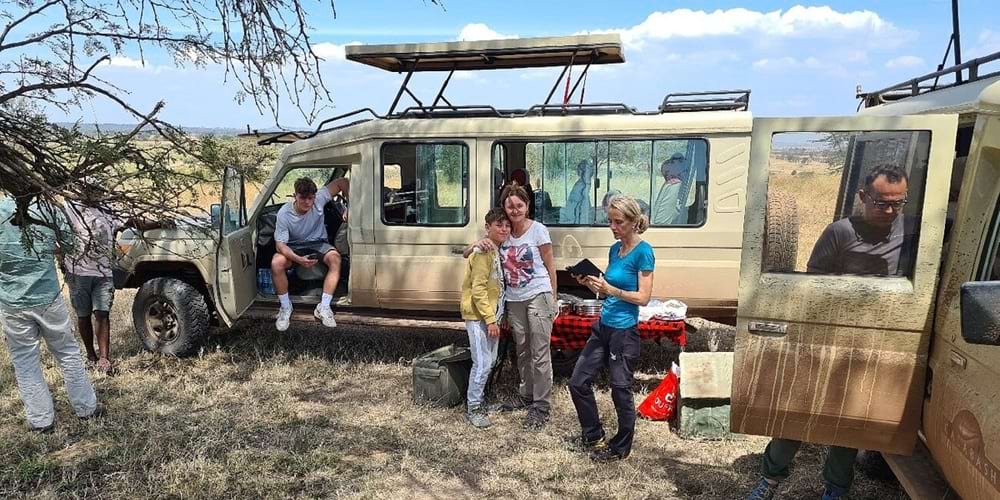
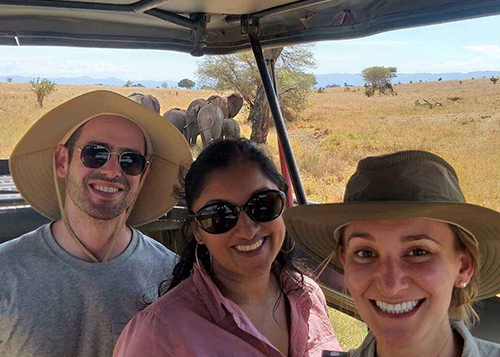
Safaris with Calabash Adventures are operated in custom 4×4 Land Cruisers with pop-up roofs for excellent wildlife viewing and photography. Your options include:
- Private safaris for families, couples, or solo travelers
- Group safaris for a social and budget-friendly experience
- Luxury fly-in safaris for convenience and style
Each safari is led by our expert local guides — storytellers, wildlife trackers, and cultural ambassadors in one.
What’s a Typical Safari Day Like?
Every day on safari is a new adventure. A typical itinerary may include:
- Morning game drives when predators are most active
- Afternoon game drives for golden-hour photography
- Full-day excursions with picnic lunches in the bush
- Optional extras like hot air balloon rides, walking safaris, or Maasai village visits, night game drive, fishing, forest hiking, and cultural experience.
We arrange each day to match the rhythm of the wilderness — and your personal preferences.
The Art of the Game Drive: An Authentic Safari Experience.
A game drive is an unforgettable safari experience, offering a front-row seat to Africa’s untamed wilderness from the comfort of a custom 4×4 vehicle. Led by expert guides, drives take place at dawn and late afternoon—prime hours when wildlife is most active. Our vehicles feature open sides or pop-up roofs for unobstructed views and incredible photo opportunities. Unlike many, our guides pride themselves on tracking wildlife independently rather than chasing radio chatter or crowding other vehicles. They bring not just deep knowledge of animal behavior and territories, but also sharp instincts honed by years in the bush, allowing them to find wildlife with precision and respect. Their goal is to deliver authentic, low-impact encounters, never disturbing the animals or staging drama for effect. Each game drive becomes a masterclass in nature, with stops for bush breakfasts or sundowners adding a touch of luxury. It’s an experience that connects you to the wild in the most meaningful way.
What’s Included in Our Safari Packages?
All Calabash Adventures safari packages include:
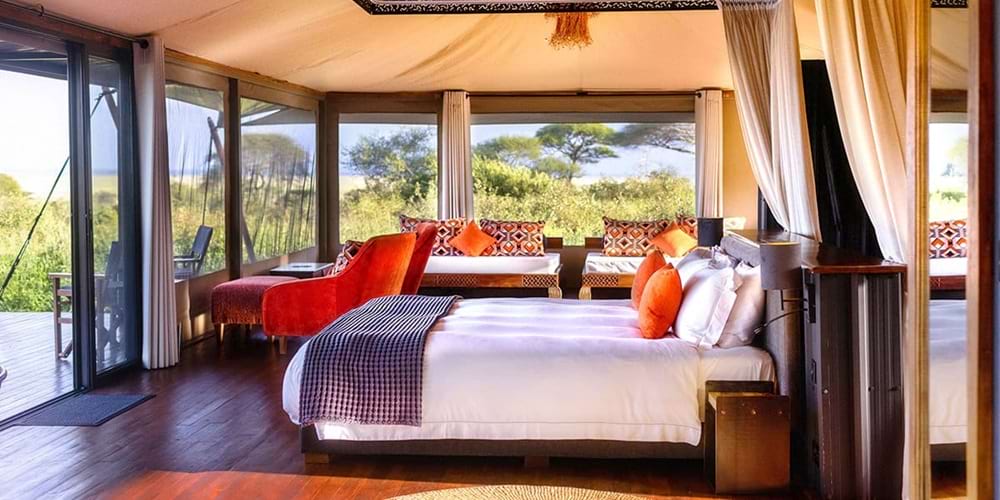
- Comfortable, hand-picked accommodation (luxury, mid-range, or budget)
- All national park and conservation fees
- Daily game drives with an English-speaking guide
- All meals and bottled water while on safari
- Ground transport or domestic flights (based on itinerary)
- Airport transfers and Arusha hotel stays if needed
We take care of everything so you can focus on the experience.
What Makes a Great Safari Experience?
Here’s what sets a high-quality safari apart — and what we prioritize at Calabash Adventures:
- Experienced, passionate guides who bring nature to life
- Seamless logistics, with every detail thoughtfully planned
- Flexible itineraries tailored to your interests
- Strategic timing to follow wildlife patterns (like the Great Migration)
- Authentic local experiences alongside wildlife adventures
Celebrate Life’s Special Moments in the Wild
Make your safari even more meaningful with Calabash Adventures’ special occasion packages:
- Honeymoons: Romantic lodges, bush breakfasts, and private sundowners
- Birthdays: Safari cake surprises and sunset celebrations
- Proposals & Anniversaries: Unforgettable moments in breathtaking settings
We love helping guests turn milestones into magical memories.
Explore Tanzania’s Safari Circuits with Calabash Adventures
Tanzania offers diverse safari regions, each with its own unique landscapes, wildlife, and experiences. At Calabash Adventures, we expertly guide you through all of Tanzania’s major safari circuits — from iconic destinations to off-the-beaten-path gems.
Northern Circuit – Tanzania’s Safari Crown Jewel
This is the most popular route, home to world-famous parks and stunning scenery:
- Serengeti National Park – Witness the legendary Great Migration and spot the Big Five.
- Ngorongoro Crater – A UNESCO World Heritage Site and one of Africa’s richest wildlife viewing areas.
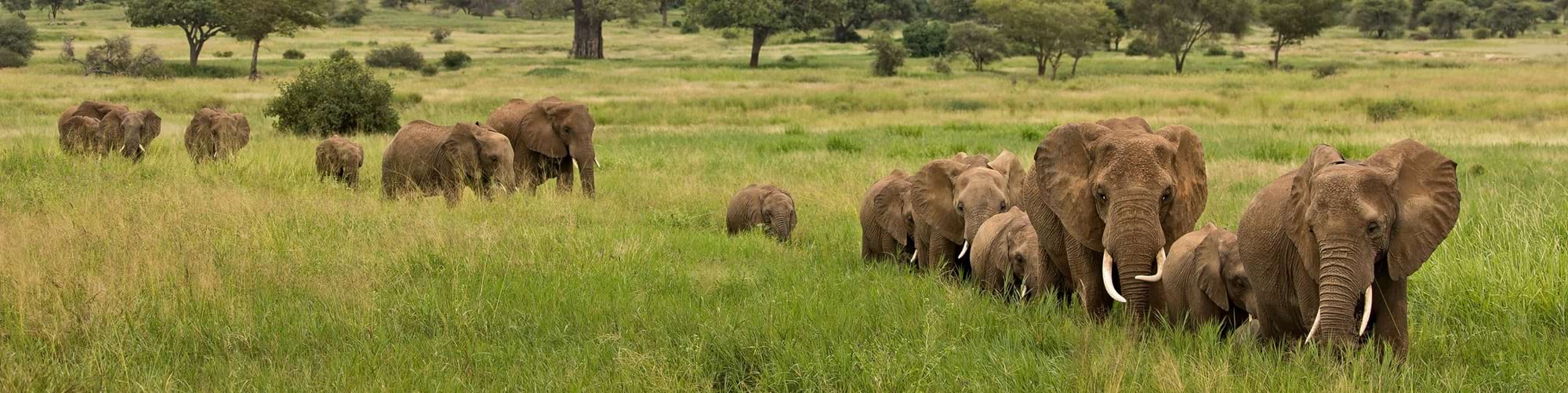
- Tarangire National Park – Known for massive elephant herds and ancient baobab trees.
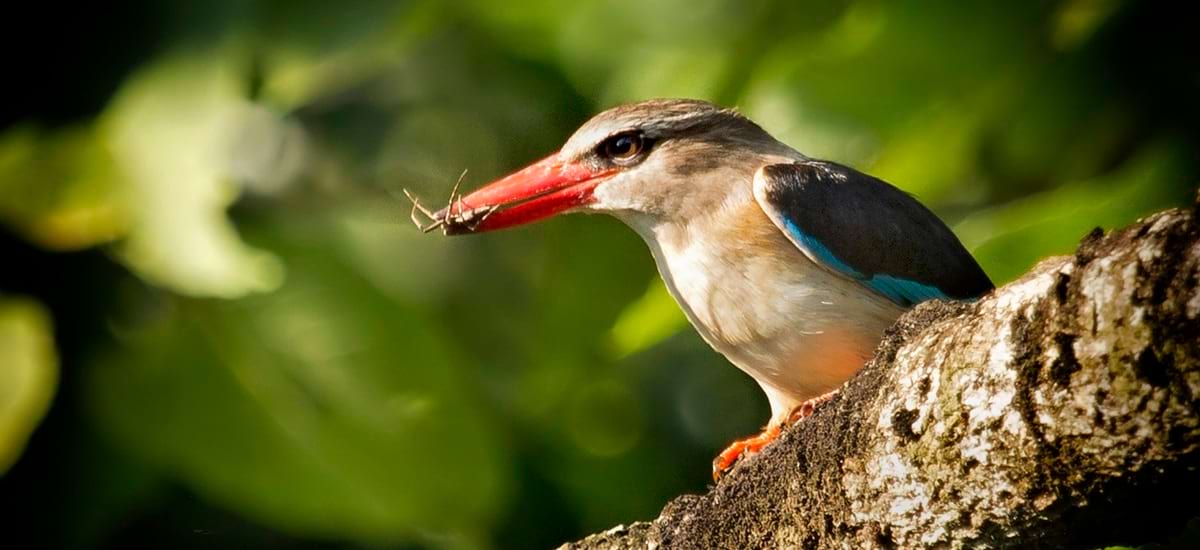
- Lake Manyara National Park – Famous for tree-climbing lions and diverse birdlife.
- Mount Kilimanjaro & Usambara Mountains – Add a scenic hiking or cultural excursion before or after your safari.
- Mkomazi National Park – A hidden gem for rhino sightings and rare species like African wild dogs.
Southern Circuit – Wild, Remote & Untouched
Looking for fewer crowds and more solitude? Tanzania’s southern parks are wilder and less commercial:
- Nyerere National Park (Selous) – Africa’s largest game reserve with boat safaris and walking options.
- Ruaha National Park – Remote and rugged, with large prides of lions and impressive elephant numbers.
- Mikumi National Park – A great option for shorter southern safaris.
- Udzungwa Mountains – A haven for hiking and endemic primates.
- Kitulo Plateau National Park – Known as the “Serengeti of Flowers.”
- Isimila Historical Site – Combine culture and archaeology with your wildlife adventure.
Western Circuit – Remote Primates & Pure Wilderness
The western circuit is ideal for explorers and primate lovers:
- Katavi National Park – Raw and wild, offering intimate game viewing far from the crowds.
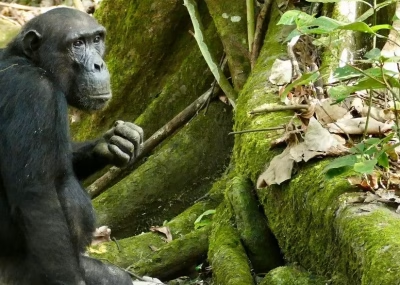
- Mahale Mountains National Park – Track wild chimpanzees on the shores of Lake Tanganyika.
- Gombe Stream National Park – Made famous by Jane Goodall’s pioneering chimpanzee research.
- Ugalla River National Park – Remote and wild, perfect for true safari purists.
Why End Your Safari in Ngorongoro? The Smart Safari Strategy
At Calabash Adventures, we carefully design each itinerary to maximize your time in the parks, rather than just filling days on paper. That’s why we always recommend ending your Northern Circuit safari in the Ngorongoro Crater — here’s why:
The Benefits of Ending in Ngorongoro:
- A breathtaking finale in one of Africa’s most densely populated wildlife zones
- A logical route from Arusha to Serengeti to Ngorongoro — no backtracking
- A final game drive close to your exit point (Arusha or Kilimanjaro Airport)
Unlike other tour companies that end safaris in Serengeti and return to Arusha by road (a 6+ hour tiring drive), we believe your last safari day should be spent with wildlife, not on the highway.
Why We Skip the “Karatu Sleep Trap”
Some itineraries include a final night in Karatu, adding costs for accommodation and car use, but without meaningful experiences. At Calabash Adventures:
- A 5-day safari means 5 days of action-packed wildlife exploration
- No wasted days, no hidden costs, no filler nights
- If you prefer ending in Serengeti, we recommend a scenic flight back to Arusha, saving time and energy
With us, you pay for what you experience, not what you miss.
How to Save Money on Safari
Tanzania safaris can be luxurious or budget-friendly, and we’ll help you find the right fit. Here’s how to keep costs down:
- Travel in shoulder season (April–May or November)
- Join small group safaris
- Choose mid-range camps with great value
- Combine fewer parks for a more immersive experience
- Opt for road transfers instead of flights
We’ll work within your budget without compromising on quality.
Combine Packages for the Ultimate Trip
Calabash Adventures can create custom safari combinations to suit every interest:
- Safari + Zanzibar: Beach relaxation after wildlife thrills
- Northern + Southern Circuits: Contrast popular parks with hidden gems
- Wildlife + Culture: Visit Maasai, Hadzabe, or Datoga communities
- Add chimpanzee trekking in Mahale or Ugalla River for a full Tanzania experience
Just tell us your dream — we’ll bring it to life.
Start Your Safari Story with Calabash Adventures
At Calabash Adventures, we don’t just sell safaris — we craft life-changing journeys.
Whether you’re after the Big Five, the Great Migration, or a romantic escape, we’ll design a tailor-made itinerary that reflects your style, pace, and budget.
Contact us today and let your Tanzanian adventure begin.
Related Articles
Ultimate Safari Packing List for Tanzania: What to Bring for an Unforgettable Adventure
A safari in Tanzania is a once-in-a-lifetime experience, offering the chance to witness iconic wildlife like lions, elephants, and giraffes roaming across breathtaking landscapes. From the sun-soaked plains of the Serengeti to the dramatic caldera of Ngorongoro Crater, every day on safari promises something magical. But to fully enjoy your adventure, you need to be well-prepared — and that starts with smart packing.
Unlike a typical vacation, a safari requires specific gear and attire to ensure safety, comfort, and practicality. Whether you’re glamping in luxury lodges or camping under the stars, here’s your complete Tanzania safari packing list to help you make the most of your journey.
Luggage: Travel Light, Travel Right
Soft-Sided Duffel Bag
Safari vehicles and domestic flights often have strict space and weight limitations (typically 15 kg or 33 lbs per person). A soft-sided duffel bag is ideal — it’s easier to stow in the back of a Land Cruiser and conforms to luggage space in bush planes.
Daypack or Backpack
A small daypack is essential for carrying your daily safari items like sunscreen, water, insect repellent, camera, and a field guide. Choose one that’s lightweight and comfortable to wear during game drives or short nature walks.
Avoid Plastic Bags
Tanzania has banned plastic bags to protect its environment and wildlife. Reusable fabric bags are a great alternative for organizing your clothes or keeping dirty laundry separate.
Safari Clothing: Function Over Fashion
Neutral-Colored Clothing
When it comes to safari attire, earthy tones like khaki, olive, beige, and brown are best. These colors blend into the bush, minimizing disturbances to wildlife and helping you stay cool. Avoid white (it gets dusty), black (attracts heat), and blue (attracts tsetse flies).
Layered Clothing
Temperatures in Tanzania can vary dramatically. Early mornings and evenings can be quite chilly, especially in high-altitude areas like Ngorongoro, while midday can be scorching.
Pack the following:
- 2–3 long-sleeved shirts (breathable and light for sun and bug protection)
- 2–3 short-sleeved shirts or t-shirts
- 2 pairs of long pants (lightweight, convertible styles are great)
- 1–2 pairs of shorts
- 1 warm fleece or pullover for cold mornings
- 1 lightweight, waterproof jacket for unexpected rain showers
Underwear & Sleepwear
Quick-dry underwear and sleepwear that’s comfortable in varying temperatures are must-haves. Bring enough for 3–4 days, especially if your lodge offers laundry service.
Swimwear
Many safari lodges and camps have pools, so bring a swimsuit to relax between game drives.
Footwear: Comfort is Key
Safari-Appropriate Shoes
Pack a sturdy pair of closed-toe shoes or lightweight hiking boots for bush walks or rough terrain. You don’t need heavy-duty boots unless you’re doing extended walking safaris.
Camp Shoes
Comfortable sandals or flip-flops are perfect for lounging around the lodge or using in shared bathrooms if you’re camping.
Accessories: Protect Yourself from the Elements
Wide-Brim Hat
The sun is intense in Tanzania, and a wide-brimmed hat will provide much-needed shade for your face and neck. Some hats even come with neck flaps or built-in insect repellent.
Sunglasses
Polarized sunglasses protect your eyes from the bright African sun and reduce glare when spotting wildlife or taking photos.
Scarf or Buff
A lightweight scarf or buff can be used for sun protection, dust coverage, or even warmth on chilly mornings.
Insect Protection and Skincare
Insect Repellent
Mosquitoes and tsetse flies are common in some areas, so pack a strong insect repellent containing DEET or picaridin. Treating your clothing with permethrin is also an effective option.
Sunscreen
A high-SPF sunscreen (SPF 30 or above) is essential. Choose a sweat-resistant and non-greasy formula for long-lasting protection.
Lip Balm and Moisturizer
The dry bush air can crack lips and dry out skin, so bring a good lip balm with SPF and a travel-size moisturizer.
Electronics: Stay Charged and Ready
Camera and Binoculars
Don’t rely solely on your smartphone. A DSLR or high-quality point-and-shoot camera will help you capture Tanzania’s incredible wildlife. A pair of binoculars (8×42 or 10×42) is a must for spotting animals at a distance.
Memory Cards and Batteries
Bring more memory cards than you think you’ll need — wildlife photography fills up space quickly. Extra batteries or a portable charger are also crucial since electricity at lodges may be limited or solar-powered.
Power Adapter
Tanzania uses UK-style plugs (Type G). Bring a universal adapter and a power strip if you have multiple devices.
Personal Care & Health Essentials
Travel First-Aid Kit
Include plasters, antiseptic cream, antihistamines, anti-diarrheal tablets, rehydration salts, and any personal medications. It’s better to have it and not need it.
Malaria Medication
Consult your doctor or travel clinic about anti-malarial prophylaxis. You’ll also want to sleep under mosquito nets, which are provided at most lodges.
Toiletries
Most lodges supply basic toiletries, but bring travel-sized versions of essentials like:
- Toothbrush & toothpaste
- Shampoo & conditioner
- Deodorant
- Wet wipes and hand sanitizer
Important Documents & Money
- Passport (valid for 6+ months with blank pages)
- Tanzanian Visa (can often be obtained on arrival or online)
- Yellow Fever Certificate (required if traveling from certain countries)
- Travel Insurance (ensure it covers evacuation and safari activities)
- Emergency Contacts & Itinerary Printouts
- USD Cash (small denominations are useful for tipping and local purchases; credit cards may not be accepted in rural areas)
Additional Tips for Safari Success
- Avoid Camouflage Clothing: Military-style clothes are illegal for civilians in Tanzania.
- Laundry Services: Many lodges offer same-day laundry, helping you pack lighter.
- Be Respectful: When visiting local villages, dress modestly and ask before taking photos.
- Leave No Trace: Respect the environment — bring reusable water bottles and minimize waste.
Ready to Pack?
Packing smart can mean the difference between a stressful trip and a seamless adventure. With this complete safari packing list, you’ll be well-equipped to explore Tanzania’s wild landscapes in comfort and style.
Happy safari — and don’t forget to look out for the Big Five!
Related Articles
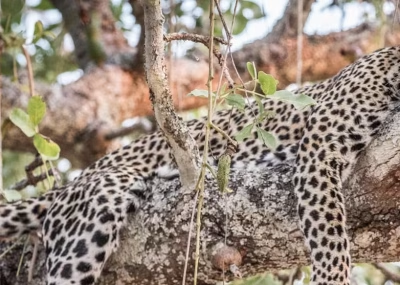
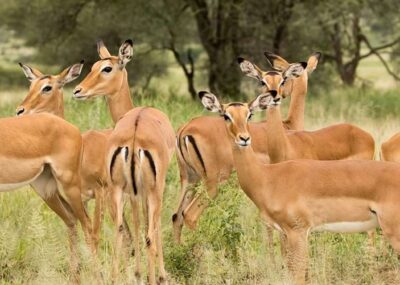
Tanzania Safari Activities: Tanzania is a dream destination for safari enthusiasts looking for African safari tours, the best Tanzania safaris, and comprehensive Tanzania safari packages. It features vast savannahs, iconic wildlife including the Big Five, a rich cultural heritage, and breathtaking Indian Ocean coastlines. Whether you are visiting for the first time or are a seasoned traveler, this detailed guide showcases a wide range of safari activities throughout Tanzania—from exciting game drives and walking safaris to unique off-the-beaten-path adventures and tranquil coastal escapes in Zanzibar—offering an unforgettable African safari experience.
Wildlife Viewing Activities
Wildlife Safari Tours in Tanzania
Explore the heart of Africa with top-rated wildlife safari tours in Tanzania. These unforgettable excursions span the iconic Serengeti, Ngorongoro Crater, Tarangire, and Lake Manyara—perfect destinations for spotting the Big Five and witnessing the Great Migration. Whether you’re interested in budget-friendly safaris or luxury safari lodges, Tanzania delivers world-class game viewing for every traveler.
- Game Drive (Daytime)
This is the cornerstone of every Tanzanian safari. Day game drives in open or closed 4×4 vehicles provide thrilling encounters with lions, elephants, giraffes, and more. Available in all national parks, including Serengeti, Ngorongoro, Tarangire, and Lake Manyara. It’s perfect for all ages and photography enthusiasts, with the chance to witness predator-prey interactions and the rhythm of the African bush. Book your Tanzania safari game drive to experience the best wildlife viewing in East Africa.
- Night Game Drive
For a chance to see nocturnal creatures like genets, bush babies, and leopards, night game drives are a must. Offered in select parks like Tarangire, Lake Manyara, and private concessions. The darkness transforms the landscape into a different world where predators prowl, making it a thrilling and educational addition to any safari itinerary. Search for “night safari Tanzania” to discover how you can enhance your trip with this unique experience.
- Walking Safari
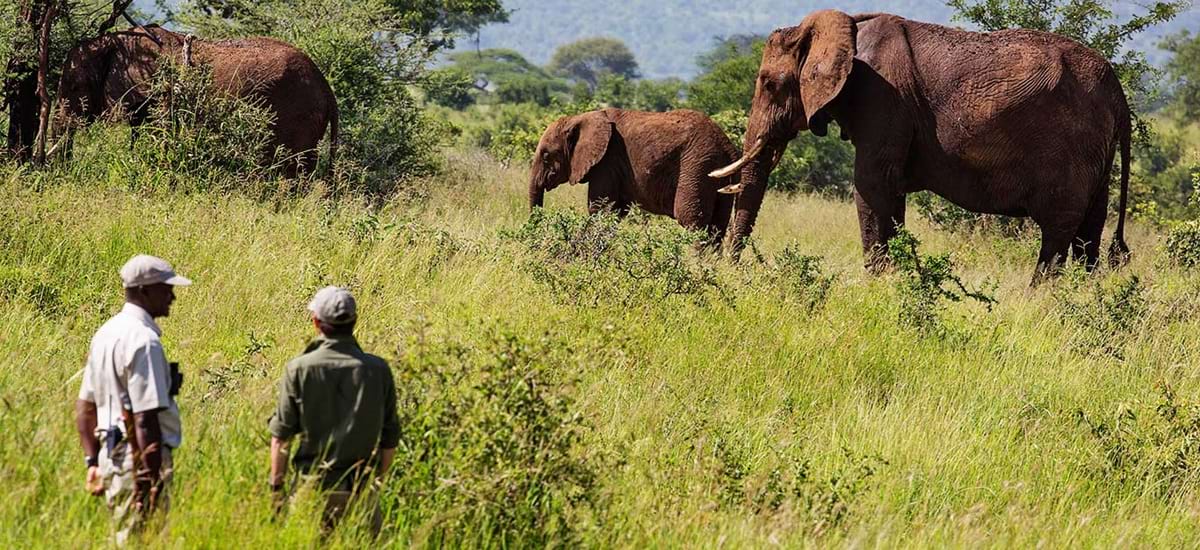
Explore Tanzania on foot with armed guides in areas like Selous (Nyerere NP), Ruaha, Serengeti, and Arusha NP. Walking safaris offer an intimate look at the bush and its hidden details. You’ll learn to track animals, identify plants, and read the land, experiencing nature with heightened senses and direct connection to the wilderness. Ideal for adventurous travelers searching for “walking safaris in Tanzania” or “guided bush walks.”
- Hot Air Balloon Ride
Float above the plains of Serengeti or Tarangire at sunrise. This unforgettable experience ends with a champagne breakfast in the bush—a once-in-a-lifetime aerial safari. The balloon safari gives you a bird’s-eye view of herds, winding rivers, wildlife, and vast landscapes, offering breathtaking photography and a peaceful, majestic experience unlike any other. From the gentle lift-off in the early morning darkness to watching the sun illuminate the savanna below, every moment feels magical and unique. It is an exceptional way to experience Tanzania’s wilderness from a completely different perspective. Book early, as hot air balloon safaris in Tanzania are among the most sought-after bucket-list adventures.
- Night Game Drive
For a chance to see nocturnal creatures like genets, bush babies, and leopards, night game drives are a must. Offered in select parks like Tarangire, Lake Manyara, and private concessions. The darkness transforms the landscape into a different world where predators prowl, making it a thrilling and educational addition to any safari itinerary.
Water-Based Activities
- Whale Watching in Mtwara and Mafia: An Unknown Marine Activity
Experience an unforgettable whale-watching adventure in the Mozambique Channel (Mnazi Bay), one of Tanzania’s best-kept coastal secrets. Between July and November, the warm waters off the southern coast become a migratory route for majestic humpback whales. With fewer crowds than popular destinations, Mtwara and Mafia offer a serene and exclusive setting to witness these gentle giants breaching and playing in the Indian Ocean. Guided boat tours led by local experts provide an intimate and educational experience. Whether you’re a nature enthusiast or simply seeking a unique marine encounter, whale watching in Mtwara promises awe-inspiring moments in one of Tanzania’s most untouched coastal regions.
- Boat Ride Safari
Enjoy river safaris in Selous (Rufiji River), Ugalla River NP, or tranquil boat rides on Lake Tanganyika in Mahale and Gombe. Excellent for spotting hippos, crocodiles, and water birds. Boat rides offer a fresh perspective on the ecosystem, allowing you to approach animals quietly and enjoy lush riverine scenery.
- Sunset Cruise
Unwind with a scenic sunset cruise in Zanzibar, Lake Victoria, or Lake Tanganyika. These peaceful outings offer great photography and romantic views. Sip cocktails, listen to the sounds of nature, and watch the sky change colors as the sun sets—ideal for couples and those seeking relaxation.
- Canoeing
Peaceful paddling experiences are available in Arusha NP (Momella Lakes), Ugalla, Gombe, Mahale, and Zanzibar’s mangroves. A great way to observe nature quietly. Canoeing lets you navigate serene waters, spot aquatic and shore wildlife, and enjoy the tranquility of gliding through unspoiled natural habitats.
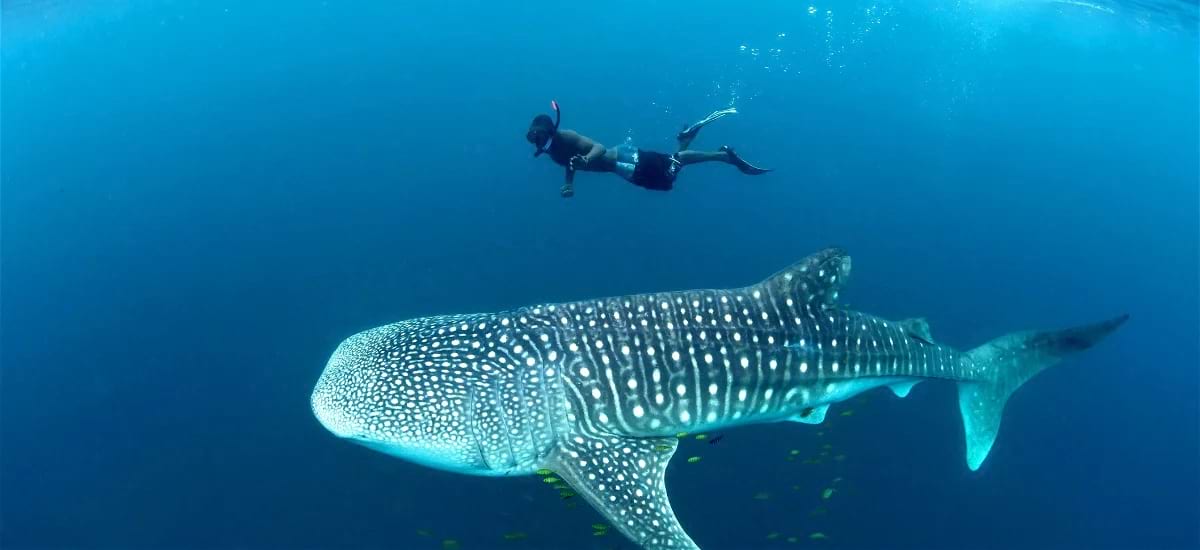
Snorkeling & Diving
- Snorkeling
Zanzibar snorkeling tours are among the most breathtaking in the world. Discover vibrant coral reefs at Mnemba Atoll, Kendwa, and Nungwi, perfect for both beginners and seasoned swimmers. Lake Tanganyika also offers freshwater snorkeling in Mahale and Gombe. Ideal for families and couples, this is one of the best snorkeling experiences in Tanzania for underwater exploration and marine photography.
- Scuba Diving
Explore the best scuba diving spots in Tanzania with unforgettable underwater adventures around Zanzibar, Pemba Island, and Mafia Island. From colorful coral gardens to deep drop-offs and historic wrecks, diving here is rich in marine biodiversity. Book snorkeling in Zanzibar or choose Mount Kilimanjaro trek packages combined with diving tours for a complete land-and-sea holiday. Don’t miss swimming alongside whale sharks near Mafia from October to March. 8. Snorkeling
Zanzibar offers incredible coral reefs, especially around Mnemba Atoll, Kendwa, and Nungwi. Lake Tanganyika also allows freshwater snorkeling in Mahale and Gombe. Discover a vibrant underwater world teeming with colorful fish, sea turtles, and corals. Great for beginners and families looking for fun and accessible ocean exploration.
Lodge-Based & Scenic Experiences
- Sundowner Drinks
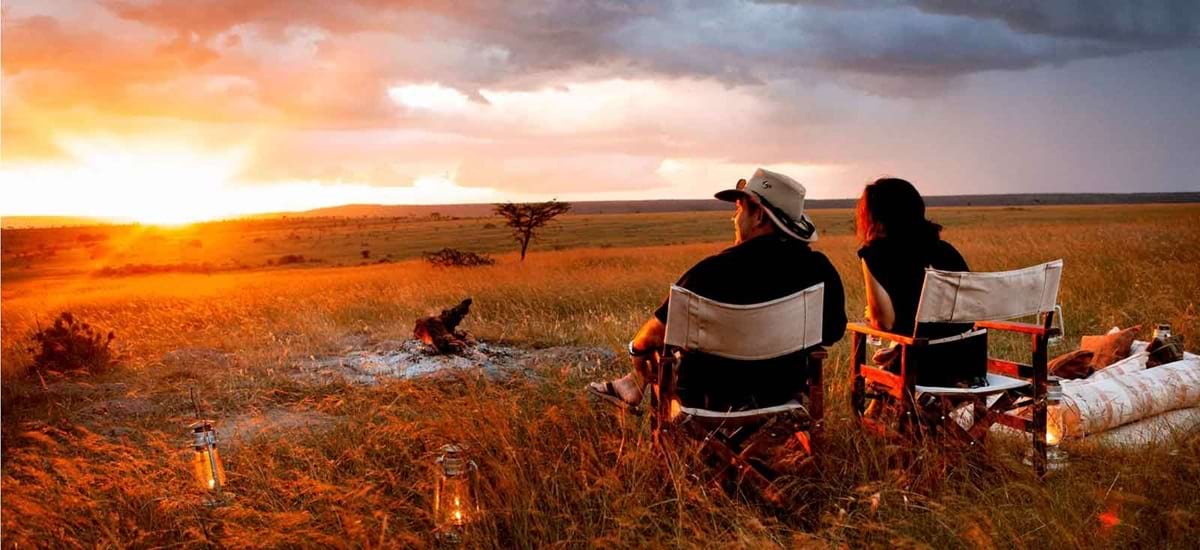
Watch the African sun dip below the horizon with a drink in hand at viewpoints across all national parks. It’s a safari tradition that offers a quiet moment to reflect, socialize, and soak in nature’s beauty. Sundowners can be personalized with canapés and private setups for a luxurious touch.
- Bush Breakfasts / Dinners
Enjoy a gourmet meal in the wild, typically arranged in Serengeti, Tarangire, and private camps. These meals are served in remote, safe locations and combine fine dining with the thrill of being surrounded by nature. It’s a unique culinary experience with an unforgettable ambiance and wildlife views.
- Cultural Visits
Meet the Maasai, Hadzabe (Lake Eyasi), Iraqw (Karatu), or Datoga tribes and discover the rich cultural diversity of Tanzania. Learn about traditional customs, crafts, beliefs, and everyday life through authentic community experiences. Cultural visits offer respectful interactions where you can hear personal stories, witness traditional dances, observe local skills, and gain a deeper understanding of diverse ways of life. Depending on the community, you may also see traditional hunting techniques, blacksmithing, farming, beadwork, or food preparation. These meaningful encounters provide opportunities to support local communities while creating memorable experiences and a greater appreciation for Tanzania’s people, heritage, and traditions.
- Local Market Tours & Cultural Walks
Visit vibrant markets in Arusha, Moshi, Karatu, or Mto wa Mbu to experience authentic Tanzanian life. Walk through bustling stalls, sample local foods, and meet artisans. It’s a great opportunity to understand regional cultures, support local economies, and bring home handmade souvenirs.
- Coffee or Banana Farm Tours
Take a guided tour through lush plantations in Arusha, Moshi, or Karatu. Often includes tastings and farm-to-table meals. Learn about cultivation, harvesting, and the impact of these crops on local livelihoods. These tours are informative, relaxing, and often include beautiful mountain or countryside views.
Adventure & Hiking Activities
- Forest Hiking / Trekking
Venture into the remote forests of Katavi NP, Inyonga Forest, Tarangire, and Issa Valley. These lesser-known hiking destinations in Tanzania offer immersive experiences for nature lovers and bird watchers. Ideal for those seeking solitude, forest trekking unveils hidden wildlife, diverse flora, and a refreshing escape from typical safari routines. Perfect for eco-conscious travelers looking for sustainable Tanzania hiking tours.
- Crater Rim Walks
Crater rim hikes in Empakaai, Olmoti, and Ngorongoro blend panoramic scenery with cultural storytelling. These moderate treks reveal unique volcanic features, forested trails, and Maasai interactions. With sweeping photo opportunities and educational insights, they’re great for families, photographers, and older travelers. Crater rim walking tours in Tanzania are ideal for those seeking gentle yet rewarding trekking experiences.
- Mountain Climbing / Multi-Day Treks
Take on the legendary Mount Kilimanjaro or serene Mount Meru with expert guides. These Tanzania trekking packages include multi-day hikes, acclimatization support, and full porter services. The Usambara and Udzungwa Mountains offer lush trails and village stays for off-the-beaten-path climbs. Perfect for adventure seekers booking Mount Kilimanjaro trek packages or the best trekking experiences in Tanzania.
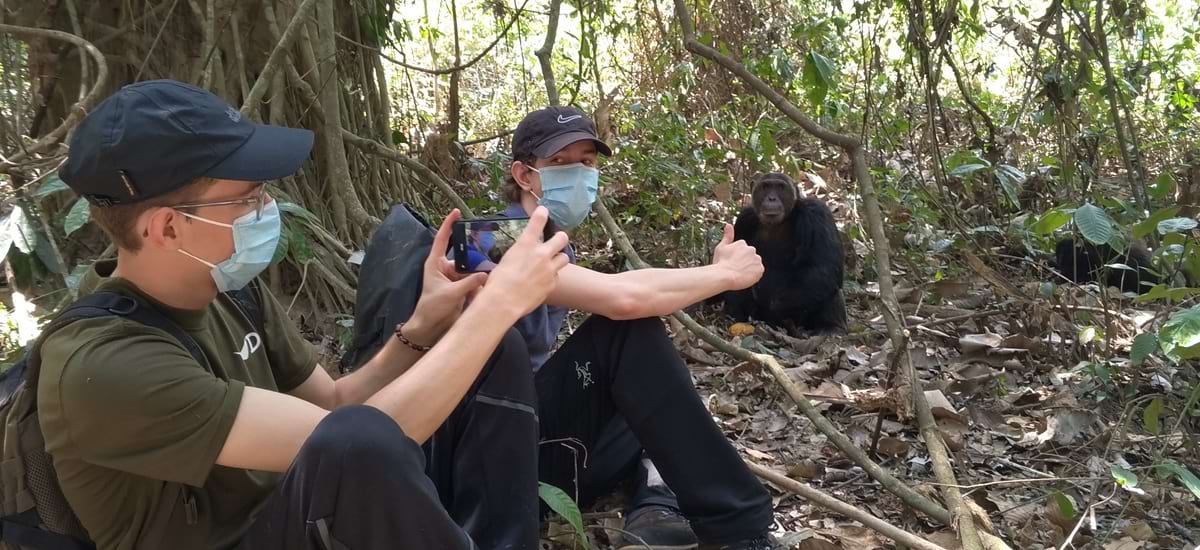
- Chimpanzee Trekking
Discover unforgettable chimpanzee trekking in Mahale and Gombe. This guided forest trek brings you face-to-face with wild primates in remote, untouched wilderness. It’s a physically engaging but emotionally rewarding journey ideal for wildlife enthusiasts. A top-rated Tanzania hiking tour, this activity blends adventure, conservation, and once-in-a-lifetime moments with Africa’s most intelligent inhabitants.
- Forest Hiking / Trekking
Venture into pristine landscapes in Katavi NP, Inyonga Forest, Tarangire, or Issa Valley. Excellent for bird watchers and those seeking solitude. Forest hikes immerse you in dense greenery and rich biodiversity, offering a break from traditional safaris and a chance to spot unique plant and animal species.
- Crater Rim Walks
Guided hikes around the rims of Empakaai, Olmoti, or Ngorongoro craters offer stunning vistas and moderate exercise. These walks provide panoramic views, insights into volcanic history, and encounters with flora and fauna not seen on typical game drives. Ideal for nature lovers and photographers.
- Mountain Climbing / Multi-Day Treks
Tackle Mount Kilimanjaro or Mount Meru, or explore the lush Usambara and Udzungwa Mountains. These treks vary from challenging to moderate and reward climbers with awe-inspiring landscapes, unique ecosystems, and cultural encounters along the way. Guided expeditions ensure safety and enriching experiences.
- Chimpanzee Trekking
Track wild chimpanzees through the forests of Mahale and Gombe—some of the best primate experiences in Africa. Trekking can be physically demanding, but offers extraordinary insights into the behavior of our closest relatives. The remote settings add to the adventure and exclusivity of the experience.
For Elderly Travelers (Comfort-Focused)
- Daytime game drives (in private vehicles for added comfort)
- Scenic Ngorongoro Crater tours
- Great Migration from the comfort of a lodge
- Bird watching and photography from the camp
- Gentle crater rim walks (Olmoti, Empakaai)
- Cultural visits, market strolls, and plantation tours
- Spa treatments, stargazing, and relaxing boat rides
These low-impact activities ensure comfort, accessibility, and engagement without strain. Perfect for travelers seeking meaningful, relaxing experiences with great hospitality and ease of travel.
For Families with Children
- Child-friendly game drives and ranger programs
- Hippo pool visits, giraffe spotting
- Crater rim picnics and canoeing in Arusha NP
- Craft workshops, drumming sessions, storytelling
- Village tours and wildlife education for kids
Family activities are designed to be fun, safe, and educational. Lodges often provide kid-focused amenities and guides help create memorable adventures tailored for younger explorers.
For Adventure Seekers
- Multi-day walking safaris in Selous, Ruaha, Serengeti
- Night game drives and fly-camping in remote zones
- Horseback safaris near West Kilimanjaro or Arusha
- Mountaineering and forest hiking adventures
- Chimpanzee tracking and deep-sea fishing
- Kayaking or rafting on Lake Victoria or the Rufiji River
These experiences combine physical challenges with spectacular rewards. Ideal for travelers who thrive on adrenaline, solitude, and authentic encounters with nature and wildlife.
Ready to Plan Your Dream Tanzania Safari?
Whether you’re drawn to the Serengeti plains, the beaches of Zanzibar, or the heights of Kilimanjaro, Tanzania offers something for every type of traveler. Don’t wait to embark on the adventure of a lifetime.
Book your Tanzania safari today with expert-guided tours tailored to your interests—wildlife, culture, adventure, or pure relaxation. Let us help you create unforgettable moments in Africa’s most iconic safari destination.
Related Articles
Your Ultimate Guide to the Great Serengeti Migration in Tanzania.

Serengeti Great Migration: A Natural Wonder of Tanzania
Serengeti Great Migration: Each year, the vast plains of Northern Tanzania transform into a living river of life during one of the world’s most extraordinary natural events—the Serengeti Great Migration. Over 1.5 million wildebeest, joined by hundreds of thousands of zebras and gazelles, move in a timeless cycle across the Serengeti ecosystem in search of fresh grazing and water. It is not just movement; it is survival, instinct, and harmony unfolding on a scale that feels almost otherworldly.
To stand before this migration is to witness nature at its most honest and powerful. Thunderous hooves shake the earth, dust rises like smoke on the horizon, and predators silently follow the flow of life. Lions, crocodiles, and cheetahs become part of this dramatic story, creating moments of tension and beauty that stay with you forever. Every river crossing, every stampede, and every quiet sunrise over the plains feels like a scene from a living documentary.
If you are dreaming of experiencing the Great Migration in Tanzania, timing and location are everything. From the southern calving season to the dramatic Mara River crossings, each stage offers something unique. This guide will help you plan the perfect journey and discover why this natural wonder belongs at the very top of your travel bucket list.
What Is the Serengeti Great Migration?
The Serengeti Great Migration is the continuous, clockwise journey of herbivores across the vast Serengeti–Mara ecosystem, driven by seasonal rainfall and the constant search for fresh, nutrient-rich grazing land. Each year, over 1.5 million wildebeest, accompanied by hundreds of thousands of zebras and gazelles, trace an ancient path that stretches roughly 1,800 miles between Tanzania’s Serengeti National Park and Kenya’s Maasai Mara, before returning south again in an endless cycle of life.
This is nature in motion at its most powerful and unfiltered. The migration is not a straight journey, but a series of dramatic chapters shaped by survival. Herds gather in enormous, shifting clouds across the plains, guided by instinct and the promise of rain-fed grasslands. Along the way, they encounter some of the most formidable challenges on earth—relentless predators such as lions, cheetahs, hyenas, and crocodiles, as well as the physical strain of long-distance travel under harsh sun and open skies.
The river crossings are among the most iconic moments, where survival hangs in the balance within seconds. Yet beyond the drama, the migration is also a story of resilience, renewal, and balance—an ancient rhythm that has shaped the Serengeti for thousands of years and continues to define one of the greatest wildlife spectacles on the planet.
Why the Serengeti Great Migration Is a Once-in-a-Lifetime Experience
This is nature in motion at its most powerful and unfiltered. The migration is not a straight journey, but a series of dramatic chapters shaped by survival. Herds gather in enormous, shifting clouds across the plains, guided by instinct and the promise of rain-fed grasslands. Along the way, they encounter some of the most formidable challenges on earth—relentless predators such as lions, cheetahs, hyenas, and crocodiles, as well as the physical strain of long-distance travel under harsh sun and open skies.
The experience is not just about watching animals move—it is about witnessing an ancient system of life that continues without interruption. Every moment feels alive with uncertainty and energy, where nature writes its own story in real time.
The Drama of River Crossings in the Serengeti Great Migration
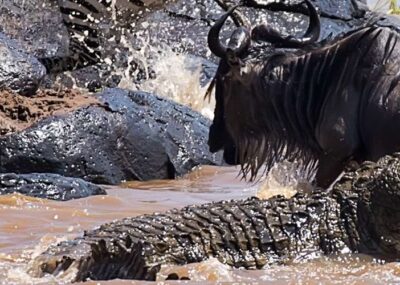
The river crossings are among the most iconic moments of the Serengeti Great Migration, where survival hangs in the balance within seconds. Wildebeest gather at the edge of the water, hesitating before plunging into fast-moving currents filled with danger. Crocodiles lie in wait beneath the surface, while pressure builds from thousands of animals pushing from behind.
Yet beyond the drama, the migration is also a story of resilience, renewal, and balance—an ancient rhythm that has shaped the Serengeti for thousands of years and continues to define one of the greatest wildlife spectacles on the planet.
 Serengeti Migration Map
Where to See the Serengeti Great Migration: Best Locations Month by Month
To truly experience the magic of the Serengeti Great Migration, timing is everything—but location is what transforms the experience from memorable into unforgettable. Because the herds are constantly on the move across the Serengeti–Mara ecosystem, each month reveals a completely different landscape, mood, and level of drama. Knowing where to be allows you to witness everything from peaceful calving scenes to intense river crossings where survival is decided in seconds.
▸ Serengeti Great Migration January – March: Ndutu Southern Serengeti Calving Season
This is one of the most emotionally powerful phases of the entire Serengeti Great Migration. The southern plains of Ndutu, bordering the Ngorongoro Conservation Area, become a vast nursery where hundreds of thousands of wildebeest calves are born within a very short window.
The landscape is lush, green, and open—perfect for spotting wildlife during the Serengeti migration in Ndutu. Newborn calves take their first steps within minutes of birth, learning quickly to stand, run, and stay close to the herd. This abundance of vulnerable young life naturally attracts predators, making Ndutu one of the best places in Africa to witness raw predator–prey interactions during the Serengeti Great Migration calving season.
Lions stalk quietly through the grass, cheetahs scan the open plains for opportunities, and hyenas follow closely behind the herds. Despite the tension, there is also an incredible sense of renewal—this is the beginning of life on the plains, and it is both beautiful and dramatic.
For photographers, Ndutu during the Serengeti Great Migration offers soft light, open visibility, and constant action, making it one of the most rewarding safari periods in Tanzania.
▸ Serengeti Great Migration April – June: Seronera Central Serengeti Migration Corridor
As the long rains taper off and the southern plains begin to dry, the herds gradually move northward through the heart of the Serengeti Great Migration route—Seronera. This central Serengeti region acts as a natural corridor, where millions of animals funnel through in search of greener pastures.
This is a quieter, more reflective phase of the Serengeti Great Migration. The landscape turns a deep green, dotted with acacia trees and rocky kopjes that provide shelter for predators and panoramic viewing points for visitors.
Seronera is famous for its resident wildlife populations, meaning even outside the peak movement of the Serengeti Great Migration, game viewing remains exceptional. During this period, visitors often enjoy fewer crowds compared to peak river-crossing season, allowing for more intimate safari experiences.
Leopards draped over tree branches, lion prides resting on granite outcrops, and large herds moving slowly across golden-green plains create a balanced rhythm of action and calm. It is a perfect time for travellers who want both Serengeti Great Migration movement and classic Serengeti scenery without the intensity of peak season pressure.
▸ Serengeti Great Migration July – August: Kogatende & Lamai Mara River Crossings Northern Serengeti
This is the stage most people dream about in the Serengeti Great Migration—the dramatic Mara River crossings in the northern Serengeti. As the herds gather in Kogatende and Lamai, tension builds along the riverbanks. Wildebeest hesitate, circle, and gather strength before committing to one of the most dangerous moments of their lives during the Serengeti Great Migration river crossing season.
Then suddenly, chaos erupts. Thousands of animals plunge into the fast-moving waters, battling strong currents and avoiding massive Nile crocodiles waiting below the surface. Dust, noise, and movement fill the air in a breathtaking display of survival instinct unique to the Serengeti Great Migration.
No two crossings are ever the same. Some are quick and successful, while others are chaotic and unpredictable, making this one of the most emotionally charged wildlife experiences on Earth.
Luxury camps in this northern Serengeti Great Migration zone offer front-row access to these events, allowing visitors to follow the herds daily and witness crossings as they unfold in real time. This is peak Serengeti Great Migration season and arguably the most iconic safari experience in Tanzania.
▸ Serengeti Great Migration September – October: Northern Serengeti to Maasai Mara Movement Phase
As the dry season continues, the herds spread out between the northern Serengeti Great Migration corridor and Kenya’s Maasai Mara. Some groups remain in Tanzania’s Lamai region, while others cross the border in search of fresh grazing.
This period offers a slightly more relaxed but still highly rewarding Serengeti Great Migration safari experience. The landscapes are golden and dramatic, with long visibility and frequent predator encounters. Lions, leopards, and hyenas take advantage of the concentrated herds, creating consistent wildlife action during this stage of the Serengeti Great Migration.
It is also an excellent time for travellers seeking luxury and exclusivity, as many high-end camps operate in remote, scenic locations with uninterrupted views of the Serengeti Great Migration corridors.
▸ Serengeti Great Migration November – December: Return Journey to Ndutu Southern Serengeti Cycle Reset
With the arrival of the short rains, the herds begin their long journey south once again, returning to the fertile plains of Ndutu. This marks the closing of the Serengeti Great Migration cycle, though in reality, it is simply the beginning of another continuous loop.
Unlike the dramatic river crossings, this phase of the Serengeti Great Migration is quieter and more peaceful. The herds move in long, steady lines across open plains, guided by instinct and rainfall patterns. The landscapes slowly turn green again, preparing for the next calving season.
For visitors, this is a beautiful time to witness the Serengeti Great Migration in a more relaxed state—fewer crowds, softer light, and vast herds stretching to the horizon. It is a reminder that the Serengeti Great Migration is not a single event, but an endless, living circle of life.

Understanding the Serengeti Migration Calendar: Best Time for the Serengeti Great Migration
The Serengeti Migration calendar is an essential planning tool for travelers, safari planners, and wildlife photographers aiming to experience the Serengeti Great Migration at its most dramatic and rewarding moments. Although the exact timing shifts slightly each year due to rainfall patterns, the overall movement of the herds across the Serengeti–Mara ecosystem remains remarkably consistent. This predictability allows visitors to plan with confidence while still embracing the wild unpredictability that defines the Serengeti National Park experience.
If your primary goal is to witness the iconic Mara River wildebeest crossings in the northern Serengeti, the best period is typically from July to October. During this time, massive herds concentrate in areas such as Kogatende and Lamai before attempting the dangerous river crossings into Kenya’s Maasai Mara National Reserve. For travelers drawn to the emotional intensity of the calving season and predator action, January to March in Ndutu offers some of the most dramatic wildlife encounters in Africa. Meanwhile, April, May, and November provide excellent value, fewer crowds, and lush green landscapes across central Serengeti regions such as Seronera, making them ideal for immersive, quieter safaris.
Why the Wildebeest Migration in Africa (Serengeti–Maasai Mara Ecosystem) Is So Unique
Unlike any other wildlife movement on Earth, the Wildebeest Migration in Africa is a continuous, circular system rather than a single seasonal event. It is driven by rainfall, instinct, and the search for fresh grazing land across the Serengeti–Mara ecosystem, linking Tanzania’s Serengeti National Park with Kenya’s Maasai Mara.
This creates a rare advantage for travelers: there is no true “off-season” for the Serengeti Great Migration—only shifting stages of one vast ecological cycle. At any given time of year, part of the herd is somewhere in motion, offering different but equally powerful safari experiences.
Each phase of the migration carries its own emotional intensity. In the southern plains of Ndutu, life begins with thousands of newborn calves taking their first fragile steps. In central Serengeti’s Seronera region, herds stream northward through predator-rich landscapes. In the north, the drama peaks at the Mara River, where survival is decided in seconds as wildebeest plunge into crocodile-filled waters. This constant rhythm of birth, movement, danger, and renewal is what makes the migration one of the most profound natural spectacles on the planet.
Serengeti Migration for Photographers: A Visual Feast Across Serengeti National Park
For photographers, the Serengeti Migration is one of the most visually dynamic wildlife events in the world. The Serengeti National Park offers constantly changing light, landscapes, and animal behavior, creating a living studio of natural drama. Soft golden sunrise light stretches across endless plains, while afternoon storm clouds build cinematic backdrops over moving herds.
Every moment presents a new composition. From misty mornings that silhouette wildebeest against glowing horizons to dust-filled sunsets that turn the plains into a golden haze, the migration delivers unmatched photographic variety. Beyond landscapes, the real power lies in behavior—raw, unscripted wildlife action unfolding in real time.
Mara River Wildebeest Crossings – Northern Serengeti Drama
Thousands of wildebeest gather at the riverbanks of Kogatende and Lamai before explosive crossings, with crocodiles waiting beneath the surface.
Ndutu Calving Season – Southern Serengeti Predator Action
Newborn calves taking first steps while lions, cheetahs, and hyenas closely shadow the herds across open plains.
Dust Trails and Moving Herds – Central Serengeti (Seronera)
Endless columns of wildebeest and zebra create dramatic dust clouds across green plains and acacia-dotted landscapes.
Aerial Hot Air Balloon Perspectives – Serengeti Migration Overview
Breathtaking top-down views of migrating herds stretching across the horizon, ideal for storytelling and cinematic photography.
For both amateur and professional photographers, a guided photo safari during peak migration months offers the best chance to access prime locations, track herd movements efficiently, and capture rare, once-in-a-lifetime wildlife moments across the Serengeti–Mara ecosystem.

Where to Stay: Migration-Centric Camps & Lodges
Choosing the right accommodation is one of the most important decisions when planning a Serengeti Great Migration safari. Because the herds are constantly on the move, where you stay directly determines what you see. This is where Calabash Adventures makes a real difference—not just by booking accommodation, but by actively designing a flexible, movement-based safari strategy that follows the migration in real time.
Unlike fixed itineraries that keep travelers in one area regardless of wildlife movement, Calabash Adventures builds dynamic safari routes that adapt to the herds. This means you are not simply visiting the Serengeti—you are staying as close as possible to the migration itself. Through carefully selected mobile camps, strategic lodge upgrades, and real-time relocation options, guests are positioned in the heart of the action whenever and wherever it unfolds.
Flexible Migration Positioning with Calabash Adventures
One of the biggest advantages of traveling with Calabash Adventures is the ability to adjust your accommodation based on live migration patterns. When the herds shift, your safari can shift with them.
If river crossings begin earlier than expected in the north, your itinerary can be adjusted to upgrade or relocate you to camps near Kogatende or Lamai. If the calving season becomes more concentrated in Ndutu, guests can be moved closer to the southern plains to maximize predator encounters and newborn sightings.
This flexibility ensures you are always within reach of the most active wildlife zones, rather than relying on static locations far from the herds. It transforms a traditional safari into a responsive, high-impact wildlife experience.
Migration-Focused Camps That Follow the Herds
A key part of this approach involves using carefully selected mobile camps that move seasonally with the migration. These camps are designed to be positioned in remote, low-density areas where wildlife viewing is at its peak and vehicle numbers are minimal.
In the north, during the Mara River crossing season, Calabash Adventures prioritizes camps in the Kogatende and Lamai regions, offering early morning access to riverbanks where crossings are most likely to occur. In the south, during calving season, camps around Ndutu place guests directly on the open plains where thousands of wildebeest give birth and predators remain highly active.
These mobile camps provide not only proximity but also exclusivity—allowing guests to wake up inside the migration ecosystem rather than traveling long distances each day to reach it.
Fly-In Safaris for Maximum Time in the Wild
To further enhance migration access, Calabash Adventures also incorporates fly-in safari options. Small aircraft transfers allow guests to bypass long road journeys and land directly in key migration zones such as the northern Serengeti, central Seronera, or southern Ndutu plains.
This approach maximizes time spent in the field and minimizes transit fatigue, meaning more game drives, more sightings, and more opportunities to witness dramatic wildlife moments. It also allows for seamless relocation between migration stages, ensuring guests remain aligned with the movement of the herds throughout their journey.
Upgraded Lodges with Prime Wildlife Viewing
For travelers seeking added comfort, Calabash Adventures carefully selects lodges and luxury tented camps that combine high-end hospitality with strategic wildlife positioning. Many of these properties feature elevated viewing decks, private verandas, and panoramic lounges designed for uninterrupted game viewing directly from camp.
In key migration zones, these lodges are chosen not just for comfort, but for location advantage—whether overlooking river valleys in the north or open plains in the south. Expert naturalist guides on-site further enhance the experience by tracking herd movements daily and advising on the best times and places for game drives.
A Fully Adaptive Migration Experience
Ultimately, what sets Calabash Adventures apart is the ability to turn the Serengeti Great Migration into a fluid, adaptive journey rather than a fixed itinerary. By combining flexible relocations, mobile camps, fly-in access, and strategically upgraded lodges, guests are always placed as close as possible to the action.
This ensures that whether you are witnessing a dramatic river crossing, a quiet calving moment, or a vast moving herd across the plains, you are never watching from a distance—you are part of the experience.
Travel Tips for a Great Migration Safari
- Book early: Camps near the Mara River fill up quickly for peak migration months.
- Pack layers: Mornings and evenings can be chilly, especially in open vehicles.
- Bring binoculars and a zoom lens: Essential for spotting animals and capturing great shots.
- Travel light: Most bush planes have strict baggage limits—soft bags only.

Why the Serengeti Migration in Tanzania Should Be on Your Bucket List
Few experiences compare to hearing the thunder of hooves as thousands of wildebeest charge across the savannah. Or watching a lioness stalk the edges of a nervous herd. Or seeing the first steps of a newborn calf under the wide African sky.
The Serengeti Great Migration is more than a wildlife event—it’s a deep, emotional connection to the rhythm of life on Earth. Whether you’re coming for the photography, the adventure, or the sheer beauty of it all, it’s a journey that will leave you changed.
Ready to plan your migration safari? Check out our custom Serengeti itineraries built around the movement of the herds, expert guides, and unforgettable lodge stays.
Ready to Witness the Wild Like Never Before?
Don’t just dream about the Serengeti—experience the awe-inspiring Great Migration for yourself. Whether you’re a wildlife lover, adventure seeker, or passionate photographer, our custom safari itineraries are designed to place you at the heart of the action. From expert guides to migration-tracking camps, we’ll help you plan an unforgettable journey. Contact us today to start building your personalized Great Migration safari and secure your front-row seat to nature’s greatest show.
Related Articles
Why Safari in Tanzania for Your Next Adventure?
When you imagine the quintessential African safari, chances are you’re picturing Tanzania—even if you don’t know it yet. Picture vast golden plains filled with roaming herds, elegant giraffes silhouetted against acacia trees, the primal echo of lions in the distance, and sunsets that flood the sky with fiery color. Now add quiet beaches, ancient cultures, and luxury camps under the stars. That’s Tanzania. It’s one of the most diverse and untamed destinations on Earth, offering everything from thrilling wildlife encounters to serene tropical retreats.
So, why should Tanzania be your next great adventure? Let’s explore what sets this extraordinary country apart.
Witness the Great Wildebeest Migration
If there’s one safari spectacle that defines Africa, it’s the Great Wildebeest Migration—and Tanzania hosts the heart of it. Every year, over 1.5 million wildebeest, along with hundreds of thousands of zebras and gazelles, journey across the Serengeti in search of fresh grazing lands.
Depending on the season, you can witness:
- Calving season (January–March) in the southern Serengeti, where thousands of newborns take their first steps
- The dramatic Grumeti River crossings (May–July), full of crocodile-filled tension
- The legendary Mara River crossings (August–October), as herds surge through the water toward Kenya and back again
This isn’t just a safari—it’s a front-row seat to the largest land migration on Earth.
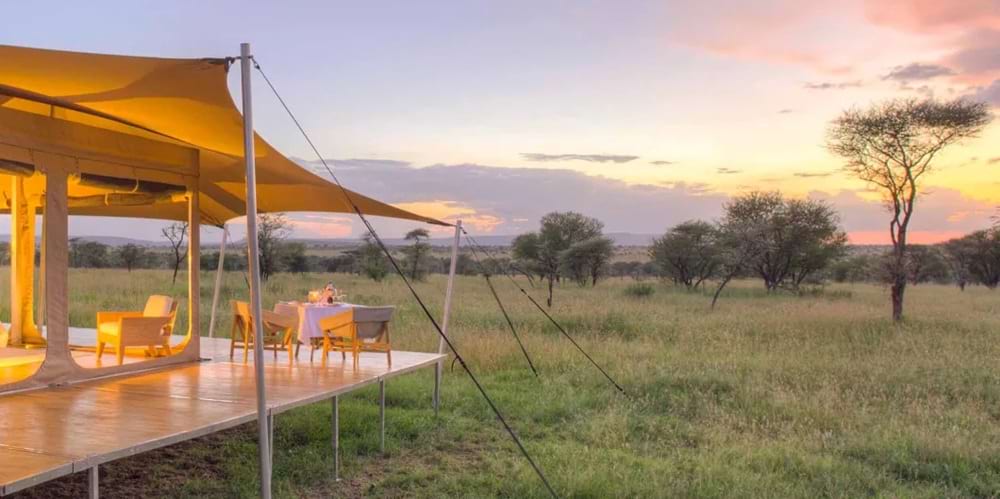
Pro Tip: If you want to follow the migration, consider a fly-in safari with strategically located tented camps near the action.
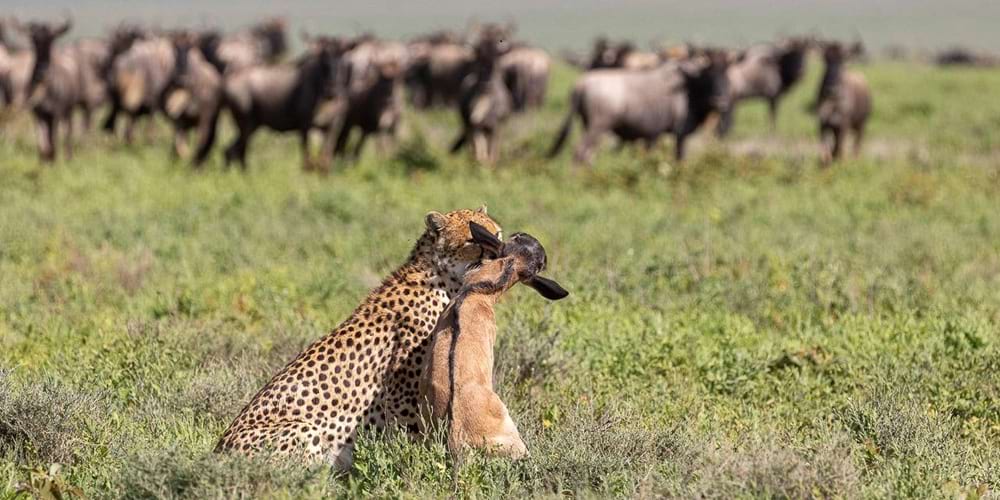
Home to Africa’s Big Cats
Tanzania is a dream for wildlife photographers and big cat lovers. Lions thrive across the Serengeti, lounging on kopjes or stalking the grasslands. Leopards lurk in riverine forests, and cheetahs—rarely seen elsewhere—roam the open plains with ease.
What makes Tanzania even more special is the sheer abundance of wildlife. You’re not just searching for the animals—you’re constantly surrounded by them.
Safari in Serengeti and Ngorongoro, and you’re likely to spot:
- Lions hunting or feeding on a kill
- Cheetahs sprinting across the plains
- Leopards draped over tree branches
- Elephants, buffalo, and rhinos complete the Big Five checklist
Many travelers see the Big Five within a few days—something rare outside of Tanzania.
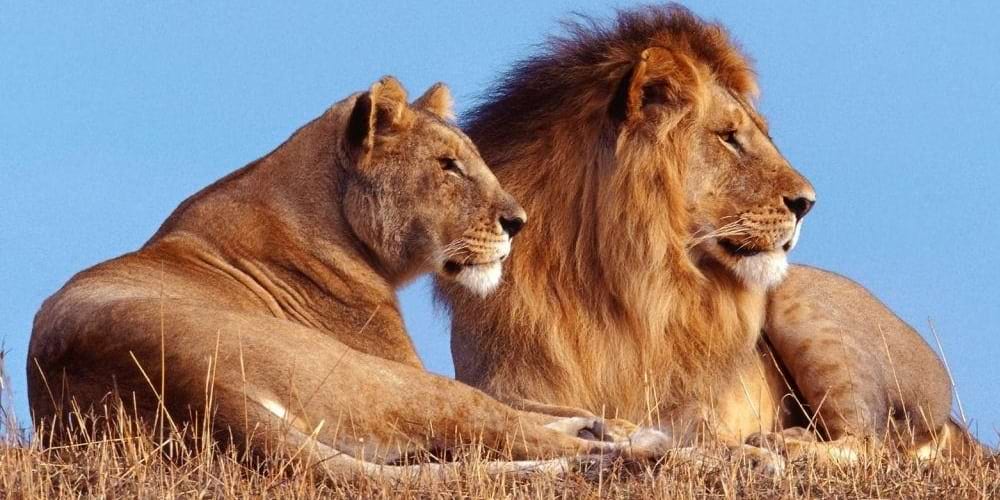
Off-the-Beaten-Path Parks
Tanzania isn’t just about Serengeti and Ngorongoro. It’s also home to vast, wild, and less-visited parks that offer exclusive safari experiences without the crowds.
Some lesser-known treasures include:
- Tarangire National Park: Known for its elephant herds, baobab trees, and predator action during the dry season
- Katavi National Park: Raw, untouched, and full of hippos, crocs, and huge buffalo herds
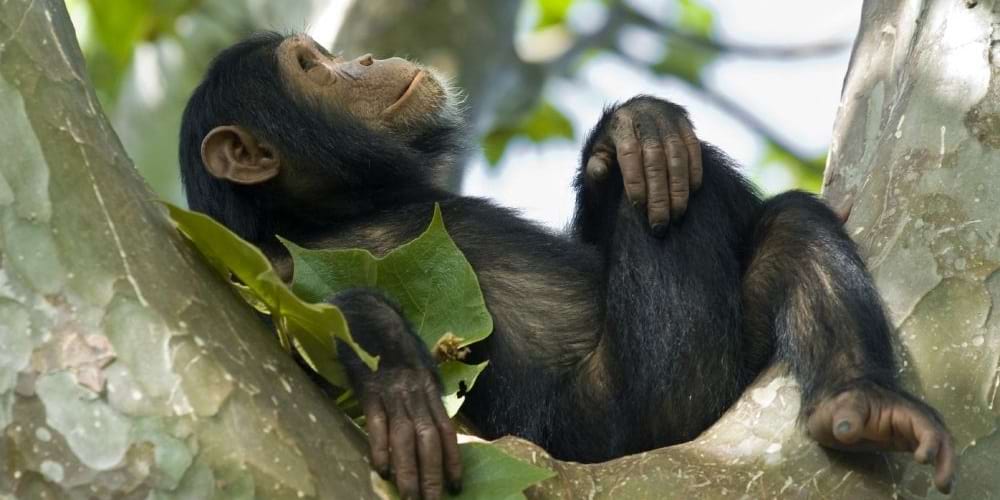
- Mahale Mountains and Gombe Stream: Track wild chimpanzees in pristine forest near Lake Tanganyika
- Ruaha National Park: The largest park in Tanzania, with rugged landscapes and thriving lion populations
These parks reward the adventurous with intimate wildlife moments, authentic camps, and deep connection to the landscape.
Ngorongoro Crater: The World’s Largest Intact Caldera
No safari in Northern Tanzania is complete without visiting the Ngorongoro Crater. This UNESCO World Heritage Site is a natural amphitheater teeming with life. With 25,000+ large animals inside its 260-square-kilometer floor, it’s often called the “Garden of Eden.”
Highlights include:
- Easy sightings of black rhino (one of the few places they’re reliably seen)
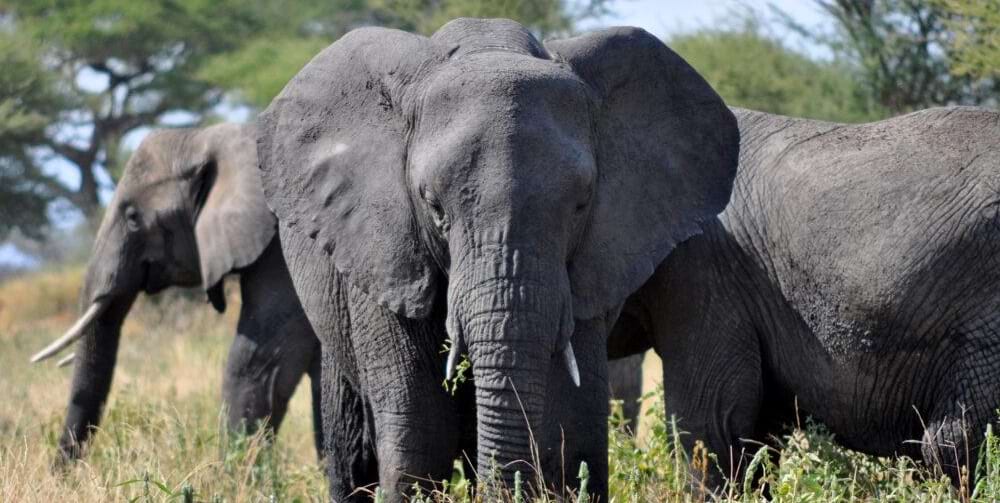
- Giant tuskers and large elephant herds
- Flamingo-dotted soda lakes and hippo-filled wetlands
- Dramatic crater views from the rim, especially at sunrise
What makes Ngorongoro special isn’t just the wildlife—it’s how accessible and compact it is. You can enjoy a game-rich experience in a single day.
Cultural Encounters That Go Deeper
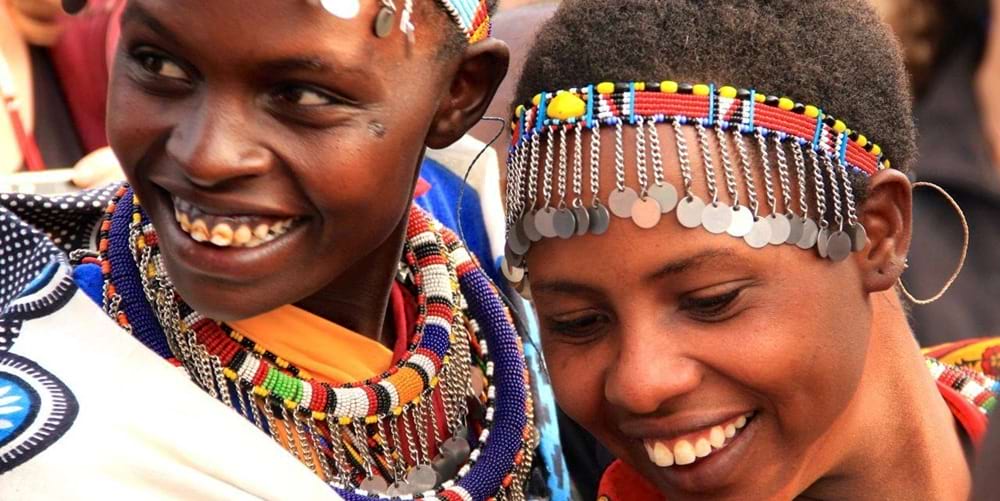
Beyond the game drives and animal sightings, Tanzania offers a rich cultural landscape. It’s home to over 120 ethnic groups, including the iconic Maasai, Iraqw, and Hadzabe hunter-gatherers.
Many safari itineraries include respectful and enriching cultural experiences such as:
- Visiting a traditional Maasai boma to learn about their pastoral lifestyle
- Hiking with a local guide through sacred forests or farming villages
- Learning traditional dance or beadwork
- Joining the Hadzabe on a bushwalk to understand ancient survival techniques
These moments offer a window into Tanzanian life and traditions, adding human depth to your wildlife experience.
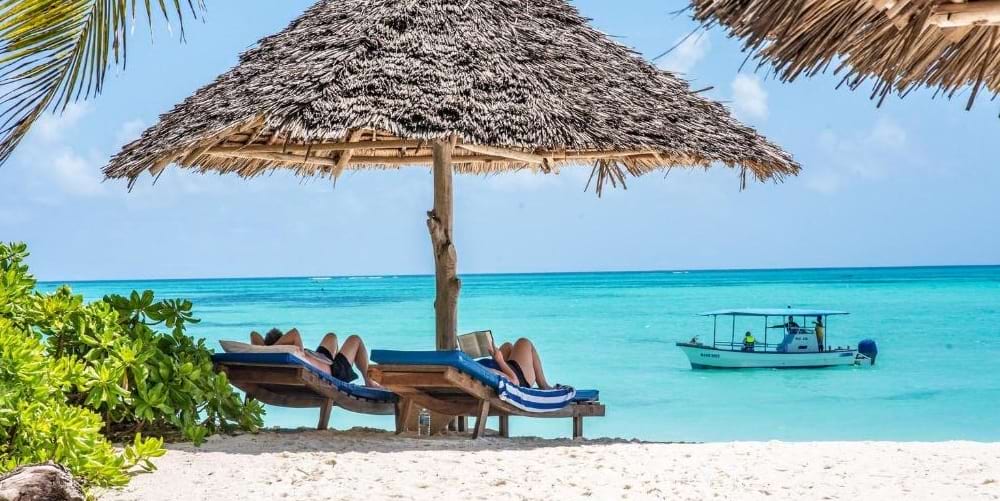
Zanzibar: A Beach Paradise with Soul
After the dust and drama of safari, nothing feels better than escaping to Zanzibar. This tropical archipelago offers soft white beaches, turquoise waters, and spice-scented breezes. But Zanzibar is more than just a pretty beach—it’s rich in history and culture.
Highlights include:
- Relaxing in luxury beach resorts in Nungwi or Matemwe
- Exploring Stone Town’s maze-like alleys, with their mix of Swahili, Arab, and Indian influences
- Snorkeling and diving on vibrant coral reefs
- Savoring fresh seafood and Swahili dishes with ocean views
Whether you’re a couple celebrating your honeymoon or a family needing downtime, Zanzibar is the perfect finale to a Tanzanian safari.
Safari for Everyone: Families, Couples & First-Timers
Tanzania is one of the most versatile safari destinations. It’s perfect for:
- Honeymooners: Private tented camps, sunset drinks, and romantic bush dinners
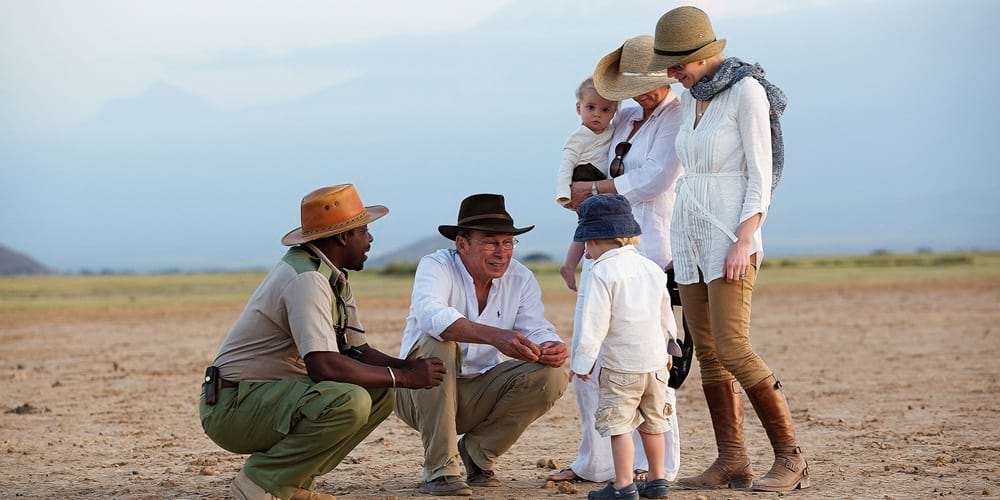
- Families: Safe parks, family-friendly lodges, and educational experiences for kids
- First-time travelers: Excellent guides, comfortable lodges, and incredible wildlife density
- Adventure seekers: Walking safaris, fly-camping, hot-air balloon rides, and mountain treks
Whether you’re after classic comfort or full immersion, there’s a safari style for every type of traveler.
So, Why Choose Tanzania?
Because it’s the one place where the full spectrum of Africa’s magic still exists—raw nature, rare wildlife, rich culture, and real hospitality. Whether you’re tracking lions across the Serengeti, standing on the rim of Ngorongoro Crater, or watching the sun set over the Indian Ocean, Tanzania leaves a mark that never fades.
Ready to plan your Tanzania adventure? Browse our latest safari itineraries, from Big Five safaris to family-friendly journeys and romantic retreats.
Let us help craft your dream safari—just get in touch and we’ll take care of the rest.
Related Articles
How Much Does a Safari Cost in Tanzania? A Complete Guide to Safari Pricing.
Safari cost in Tanzania: Tanzania is home to some of Africa’s most iconic safari experiences—from witnessing the Great Wildebeest Migration across the Serengeti to standing on the rim of the breathtaking Ngorongoro Crater. Beyond the famous northern circuit, the country also boasts the vast wilderness of Southern Tanzania, including Nyerere National Park, Ruaha National Park, Mikumi National Park, and Udzungwa Mountains National Park, as well as the remote western parks of Katavi National Park, Mahale Mountains National Park, Gombe National Park, and Ugalla River National Park. These lesser-visited destinations offer exceptional wildlife viewing, chimpanzee trekking, walking safaris, and authentic wilderness experiences far from the crowds.
When planning your adventure, one of the first questions travelers ask is, “How much does a safari cost in Tanzania?” The answer varies depending on several important factors, including the time of year you travel, your preferred style of safari, the level of accommodation you choose, the size of your group, the duration of your trip, and whether you travel between parks by road or scheduled or private flights.
Whether you’re looking for an affordable camping safari, a comfortable mid-range lodge experience, or an exclusive luxury safari with premium camps and fly-in transfers, Tanzania offers options for every budget and travel style.
In this guide, we’ll break down the typical costs of budget, mid-range, and luxury Tanzania safaris, explain what is included in each price range, and share practical tips to help you maximize your budget while planning the unforgettable African safari you’ve always dreamed of.

-
Budget Safari in Tanzania: US$200–345 Per Person, Per Day
Tanzania may be famous for its luxury safari lodges and exclusive wildlife experiences, but an unforgettable African safari doesn’t have to come with a luxury price tag. If you’re traveling on a tighter budget, it’s entirely possible to explore some of Tanzania’s world-renowned national parks while keeping costs under control.
A budget safari typically costs between US$200 and US$300 per person per day, depending on the season, itinerary, group size, and the parks you visit. These safaris are designed to provide excellent wildlife viewing while minimizing expenses through shared transportation and simpler accommodations.
At this price, travelers should expect clean, comfortable, and functional accommodations rather than luxury. Lodges and camps generally provide comfortable beds, private bathrooms in most cases, hot showers, and hearty meals, but amenities such as swimming pools, spa facilities, air conditioning, Wi-Fi, or premium dining are uncommon. Camping safaris may involve dome tents, sleeping bags, shared bathrooms, and a camp crew that prepares meals.
Game drives are usually conducted as part of a group, meaning you’ll share the vehicle with other travelers and follow a predetermined schedule. While you’ll still have excellent opportunities to see elephants, lions, giraffes, zebras, wildebeest, and many other animals, there is less flexibility to customize your day or spend extended time with a particular wildlife sighting.
Budget safaris are an excellent choice for travelers who value the wildlife experience over luxury accommodation. Although they involve longer road transfers and fewer premium comforts, they offer outstanding value for money and provide an authentic introduction to Tanzania’s spectacular landscapes and wildlife.
Best for: Backpackers, students, solo travelers, young couples, and anyone seeking an affordable way to experience Tanzania’s incredible national parks without compromising on the quality of wildlife viewing.

2. Mid-Range Safari in Tanzania: US$350–600 Per Person, Per Day
A mid-range safari is the most popular choice for travelers visiting Tanzania because it offers the perfect balance between comfort, quality, and value for money. With daily costs ranging from US$350 to US$600 per person, you’ll enjoy a more personalized safari experience without paying luxury prices.
These safaris typically feature private or small-group travel, comfortable lodges or permanent tented camps, and a flexible itinerary designed around your interests. Whether you’re exploring the endless plains of Serengeti National Park, watching elephants in Tarangire National Park, descending into the Ngorongoro Crater, or discovering the wild landscapes of Nyerere or Ruaha National Parks, you’ll enjoy a higher level of comfort throughout your journey.
At this price level, travelers can expect spacious rooms or safari tents with comfortable beds, private bathrooms, hot showers, reliable electricity, and excellent meals. Many lodges also feature swimming pools, beautiful gardens, campfires, Wi-Fi in common areas, and stunning views overlooking rivers, savannahs, or wildlife-rich landscapes. The service is attentive and personal, creating a relaxing atmosphere after exciting days on safari.
Another major advantage is flexibility. Unlike budget group tours, your guide can often adjust the day’s schedule based on wildlife sightings, your photography interests, or how long you’d like to spend at a particular location. You can also customize your itinerary by adding extra nights, including domestic flights to reduce long drives, or combining your safari with a beach holiday in Zanzibar.
Mid-range safaris deliver exceptional value by combining outstanding wildlife experiences with comfortable accommodations, personalized service, and greater freedom to travel at your own pace.
Best for: Couples, families, honeymooners, photographers, and first-time safari travelers seeking a comfortable, reliable, and memorable safari experience without the premium price tag of luxury travel.

3. Luxury Safari in Tanzania: US$700–1,500+ Per Person, Per Day
For travelers seeking the very best Tanzania has to offer, a luxury safari delivers an unforgettable blend of exceptional wildlife, world-class hospitality, and exclusive experiences. Prices typically range from US$700 to over US$1,500 per person per day, depending on the season, destination, and level of exclusivity. Ultra-luxury safaris with private villas, charter flights, or exclusive-use camps can exceed US$2,500 per person per day.
Luxury safaris are designed to maximize your time in the wilderness while providing outstanding comfort at every stage of your journey. Instead of spending long hours driving between parks, many itineraries include scheduled or private bush flights, allowing you to reach remote destinations such as Serengeti, Nyerere, Ruaha, Katavi, Mahale Mountains, or Greystoke-style chimpanzee camps quickly and comfortably.
At this price point, travelers should expect exceptional service from arrival to departure. Many luxury properties feature infinity pools, private plunge pools, spa facilities, butler service, outdoor bathtubs, fireplaces, air-conditioned suites, and spectacular views overlooking rivers, waterholes, or the endless plains. With fewer guests at each camp, you’ll enjoy a peaceful atmosphere, personalized attention, and intimate wildlife encounters far from the crowds.
Luxury safaris are especially popular for honeymoons, milestone anniversaries, family celebrations, photographic expeditions, and travelers who simply want to experience Africa at its finest. Every detail—from seamless logistics to outstanding cuisine and expert guiding—is carefully curated to create a once-in-a-lifetime journey.
It’s worth noting that prices fluctuate throughout the year. Peak travel seasons, particularly July through October during the Great Migration and the Christmas and New Year holidays, command the highest rates. Travelers visiting during the shoulder or green seasons, such as March to May or November, can often enjoy substantial savings while still experiencing remarkable wildlife and fewer visitors.
Best for: Honeymooners, luxury travelers, photographers, multi-generational families, and anyone seeking an exclusive, seamless, and truly unforgettable Tanzanian safari experience.

-
What’s Included in Tanzania Safari Prices?
One of the biggest advantages of booking a safari package in Tanzania is that most of your major travel expenses are bundled into a single price. This makes budgeting much easier and allows you to focus on enjoying your adventure rather than worrying about additional costs during your trip.
While inclusions vary slightly depending on the safari operator and package you choose, most Tanzania safaris include the following:
- National park entrance, conservation, and concession fees (often ranging from US$50–118 per person, per day, depending on the park)
- Accommodation throughout the safari on a full-board basis (breakfast, lunch, and dinner)
- Professional English-speaking safari guide/driver
- Transportation in a specially equipped 4×4 Toyota Land Cruiser with a pop-up roof for wildlife viewing
- All scheduled game drives as outlined in the itinerary
- Bottled drinking water during game drives
- Government taxes, VAT, and tourism levies
- Airport transfers on arrival and departure (for most packages)
Depending on your itinerary and the level of safari you choose, your package may also include special activities such as walking safaris, boat safaris, cultural village visits, chimpanzee trekking logistics, or bush breakfasts and sundowners.
What Is Usually Not Included?
There are a few expenses that are typically excluded from safari packages and should be considered when planning your budget:
- Domestic or scheduled flights between parks or from major cities
- International flights to and from Tanzania
- Tanzania visa fees
- Travel and medical insurance
- Alcoholic beverages and premium drinks
- Tips and gratuities for guides, camp staff, and porters
- Personal expenses such as laundry, souvenirs, and optional activities
- Pre- or post-safari accommodation in Arusha, Dar es Salaam, or Zanzibar, unless specifically included in your itinerary
At Calabash Adventures, we believe that clear pricing builds trust. That’s why every safari quotation comes with a detailed cost breakdown showing exactly what is included and excluded. We tailor each itinerary to your travel style, interests, and budget, ensuring there are no hidden fees or surprises—just a seamless safari experience from the moment you arrive in Tanzania until you return home.

- Sample Safari Costs by Itinerary Type
To give you a clearer picture, here are sample costs based on typical 2025 safari packages:
| Safari Type | Duration | Travel Style | Cost Estimate |
| 3-Day Serengeti Fly-In | 3 days | Luxury | $1600–3,200 per person |
| 5-Day Big Five Safari | 5 days | Mid-range | $1,900–2,700 per person |
| 7-Day Family Safari | 7 days | Mid-range | $2,800–4,200 per person |
| 10-Day Safari + Zanzibar | 10 days | Mid to Luxury | $4,000–8,000 per person |
These prices are based on two travelers sharing. Groups of 4+ people usually pay less per person, while solo travelers will pay more due to vehicle and guide costs being divided among fewer guests.
- Tips for Saving Money on Safari
Looking to get the best value from your safari without sacrificing experience? Here are a few insider tips:
- Travel during the shoulder season (March–May or November) for lower lodge rates
- Combine less-visited parks like Tarangire or Lake Manyara with Serengeti to diversify experiences
- Opt for road transfers instead of flights to save on transport costs
- Consider traveling as a group or family to share a vehicle and guide expenses
- Book early to take advantage of early-bird discounts, especially for peak months.—
- Discover our latest discounted safaris, updated every week.

- Why Choose Calabash Adventures?
At Calabash Adventures, we believe a safari should be personal, inspiring, and worry-free. That’s why we offer:
- Custom itineraries tailored to your interests and budget
- No hidden fees—what you see is what you pay
- Local guides with deep knowledge of Tanzania’s wildlife and culture
- 24/7 support from planning to post-safari
Whether you’re dreaming of a romantic honeymoon in the Serengeti or a family adventure through Tanzania’s top parks, we’ll help you design a safari that fits your vision and budget.
Related Articles

When and Where Should You Go in Tanzania?
Tanzania is vast, diverse, and rich with wildlife, landscapes, and culture. From the sweeping savannas of the Serengeti to the remote jungles of the Mahale Mountains, every region offers a different safari experience. But when is the best time to visit, and how do you choose where to go?
If you’re wondering when and where to go in Tanzania, you’re in the right place. In this guide, we break down the best seasons to visit and the top safari regions—so you can plan the perfect journey based on your travel style and interests.

Best Time to Visit Tanzania
Tanzania is a year-round destination, but different seasons offer unique advantages depending on what you want to see and do.
Here’s a quick breakdown:
- June to October: Dry Season (Peak Wildlife Viewing)
This is the best time for classic game drives. With sparse vegetation and limited water, animals gather around rivers and waterholes, making them easier to spot. It’s also the ideal time to see the Great Wildebeest Migration in the Serengeti (especially July to September) and explore southern and western Tanzania’s remote parks.
- December to March: Calving Season
Hundreds of thousands of wildebeest in the southern Serengeti and Ndutu plains give birth, attracting predators like lions, cheetahs, and hyenas. The action is intense, and the landscapes are green and photogenic.
- March to May: Green Season
This period sees heavier rains, especially in April and May, but it’s still a great time to visit if you’re after solitude, lush landscapes, and excellent value. Lodges offer significant discounts, and birdwatching is spectacular.
Pro Tip: If you want fewer crowds and dramatic scenery, travel at the edge of peak seasons (early June or late October). Our team can help you plan around the migration or find secret wildlife hotspots.

Where to Go in Tanzania: Safari Regions Explained
Tanzania is divided into three major safari circuits, each with its own flavor. Your route depends on how much time you have and what kind of experience you’re after.—
1. Northern Tanzania Safari Circuit
Best for: First-time visitors, Great Migration, Big Five, family safaris, honeymooners
- Serengeti National Park – Home to the Great Wildebeest Migration, endless plains, and top predator sightings. Ideal year-round, with specific timing for migration river crossings or calving season.
- Ngorongoro Crater – A UNESCO World Heritage Site and one of the best places to spot the Big Five in one day. Great for short trips and jaw-dropping views.
- Tarangire National Park – Known for its huge elephant herds and iconic baobab trees. Especially good in the dry season (June–October).
- Lake Manyara – A compact park famous for tree-climbing lions and flamingos. Great for a gentle start to a safari.
- Mkomazi National Park – Lesser-known but perfect for rare species like wild dogs and black rhino, with views of Mt. Kilimanjaro.
- Mount Kilimanjaro – Africa’s highest peak. Even if you’re not climbing it, the surrounding region is beautiful for day hikes or cultural experiences.
Northern Tanzania is perfect if you want to combine famous parks, good infrastructure, and dramatic landscapes.

2. Southern Tanzania Safari Circuit
Best for: Off-the-beaten-path travel, big cats, walking safaris, birdwatchers
- Nyerere National Park (formerly Selous) – Africa’s largest protected area, ideal for boat safaris, walking safaris, and spotting hippos, lions, and wild dogs.
- Ruaha National Park – A rugged gem with massive lion prides and few vehicles. Excellent for dry-season game viewing.
- Mikumi National Park – Easily accessible from Dar es Salaam, great for short safaris and beginner wildlife experiences.
- Udzungwa Mountains – A haven for hiking, waterfalls, and endemic primates. Not a traditional safari, but a great cultural and active stop.
- Saadani National Park – The only park where the bush meets the beach. A unique mix of coastal scenery and wildlife.
Southern Tanzania is ideal for travelers who want to avoid crowds, explore wild landscapes, and experience traditional safaris in raw form.

3. Western Tanzania Safari Circuit
Best for: Adventurous travelers, chimpanzee trekking, remote lodges, fly-in safaris
- Katavi National Park – Wild, untouched, and packed with buffalo, hippos, and lions. Only a handful of visitors each year. Ideal from June to October.
- Mahale Mountains National Park – One of the best places in the world to track wild chimpanzees. Located on the shores of Lake Tanganyika with white-sand beaches and forested slopes.
- Gombe Stream National Park – Famous from Jane Goodall’s pioneering research. Intimate chimpanzee tracking and scenic boat rides.
- Ugalla River Game Reserve – Rarely visited and incredibly wild. Great for walking safaris, birding, and total solitude.
Western Tanzania requires more effort to reach (usually by charter flight), but rewards you with unmatched wilderness, cultural depth, and one-of-a-kind primate encounters.
—
Can’t Decide? We’ll Match You With the Right Safari
With so many amazing parks and travel seasons, it can be hard to know where to begin. But that’s exactly what we’re here for.
At Calabash Adventures, we specialize in custom safari itineraries—built around your travel dates, interests, and comfort level. Whether you want to see the Big Five, experience the Great Migration, or track chimpanzees in the rainforest, we help you get there.
You tell us what you’re dreaming of—we’ll do the rest.
Related Articles
How Do You Plan a Safari in Tanzania? A Step-by-Step Guide to Your Dream Adventure
Dreaming of lions in the golden Serengeti or watching elephants cross the Tarangire River at sunset? A safari in Tanzania is one of the most unforgettable experiences on Earth—but for many travelers, planning it can feel overwhelming.
What parks should you visit? When’s the best time to go? How much does it cost? And how do you even start?
Good news: planning your safari doesn’t have to be complicated. In fact, with the right guidance, it can be just as enjoyable as the journey itself.

Here’s a step-by-step guide to planning a safari in Tanzania, tailored to your interests, budget, and travel style.
Step 1: Decide When to Go
Tanzania is a year-round safari destination, but the timing of your trip can shape your experience.
Here’s a quick overview:
- Dry Season (June–October): The most popular time for safaris. Wildlife is easier to spot as animals gather around water sources. July to September is perfect for seeing the Great Wildebeest Migration in northern Serengeti.
- Short Rains (November): Fewer crowds, greener landscapes, and more affordable rates.
- Green Season (December–March): Calving season in the Serengeti; excellent for predator sightings and birdwatching. A great time for photography.
- Long Rains (April–May): Some lodges close due to heavy rain, but prices are lower and landscapes are lush. Ideal if you want solitude and off-peak deals.
Pro Tip: The best time depends on what you want to see—whether it’s the Big Five, the wildebeest herds, or a romantic escape with fewer tourists.

Step 2: Choose Your Safari Experience
Tanzania offers a wide range of safari styles. Start by thinking about the kind of trip you’re dreaming of:
- Family Safari: Focused on comfort, short driving distances, and child-friendly lodges with flexible schedules.
- Honeymoon Safari: Romantic tented camps, private sundown drinks, and seamless add-ons like Zanzibar beach escapes.
- Big Five Safari: Emphasizes sightings of lion, leopard, rhino, elephant, and buffalo—usually across multiple parks like Serengeti, Ngorongoro, and Tarangire.
- Migration Safari: Timed around the Great Wildebeest Migration; includes strategic stays near the Mara River (July–September) or Ndutu (January–March).
- Fly-In Safari: Skip long drives and reach remote areas by small aircraft for an elevated, time-efficient experience.
- Photographic or Walking Safaris: Specialized tours with expert guides who get you closer to the action respectfully and sustainably.
Not sure what suits you best? Our team helps match you with the right experience based on your interests, energy level, and travel goals.

Step 3: Set Your Budget
Safari prices in Tanzania vary depending on the level of comfort, number of days, and whether you’re traveling by road or air.
Here’s a rough daily cost per person:
- Budget: $200–300/day (group tours, shared vehicles, basic camping or lodges)
- Mid-Range: $350–600/day (private guide, quality lodges/tented camps)
- Luxury: $700–1,500+/day (fly-in camps, premium lodges, personalized service)
Remember, a safari typically includes park fees, accommodations, meals, a guide, vehicle, and transfers. Flights, tips, and alcohol may be extra.
At Calabash Adventures, we build custom safaris around your budget, without cutting corners on safety, quality, or experience.

Step 4: Pick the Right Parks
Tanzania is home to some of the most iconic safari parks in Africa. Your route depends on your interests and how long you’ll stay:
- Serengeti National Park: Endless plains, Great Migration, and predator action. A must for first-timers.
- Ngorongoro Crater: A UNESCO World Heritage Site and one of the best places to spot the Big Five in one day.
- Tarangire National Park is known for giant elephant herds and ancient baobab trees. Great for the early dry season.
- Lake Manyara: Tree-climbing lions, flamingos, and a compact, scenic park close to Arusha.
- Nyerere (Selous) and Ruaha (Southern Circuit): Wild, remote, and ideal for returning safari-goers.
- Katavi and Mahale Mountains (Western Circuit): Combine raw wilderness with chimpanzee tracking and lakefront lodges.
Not sure how to choose? We’ll suggest a personalized route based on wildlife patterns, your time frame, and pace preferences.

Step 5: Let Us Handle the Details
Once we know your dates, travel style, and budget, we take care of the rest:
- Handpicked accommodations suited to your needs (family suites, honeymoon tents, private villas)
- All park entry fees and government taxes
- Private 4×4 vehicle with an experienced guide
- Airport pickups, domestic flights, and all transfers
- Add-on experiences like walking safaris, Maasai village visits, or hot-air balloon rides
You don’t need to coordinate with multiple providers or worry about logistics. Your only job is to enjoy the journey.
Start by telling us what kind of trip you want. Let’s Plan Your Safari Together

Step 6: Prepare for the Adventure.
Once your safari is booked, we’ll send you a full pre-departure guide. This includes:
- What to pack (binoculars, layered clothing, power banks, etc.)
- Visa and vaccination information
- Tipping guidelines
- Photography tips
- Weather expectations
Our team is available 24/7 if you have any questions, from pre-booking to your final day on safari.
Your Life-Changing Tanzania Safari Awaits
A safari in Tanzania is not just a holiday—it’s a life-changing experience. Whether you’re watching a pride of lions under an acacia tree or sipping sundowners by the Ngorongoro Crater, the magic of this country will stay with you long after you return home.
And the best part? You don’t have to plan it alone.
At Calabash Adventures, we’ve helped hundreds of travelers turn their safari dreams into reality—with personalized service, transparent pricing, and expert planning every step of the way.
Related Articles