
Katavi National Park Guide 2026
June 15, 2026

Plan your Holiday in Tanzania with peace of mind

Professional service from trusted local experts

We are proud of our service quality and great reviews

You have our support 24/7 during your tour
Katavi National Park is one of the most extraordinary safari destinations in Africa and arguably Tanzania’s best-kept secret. Hidden deep in the country’s remote western frontier, far from the busy safari circuits of northern Tanzania, Katavi offers something increasingly rare in modern travel: genuine wilderness. Here, visitors can spend hours exploring vast floodplains, river systems, woodlands, and seasonal lakes without encountering another safari vehicle. The result is an authentic safari experience where nature dictates the rhythm of every day and wildlife encounters feel intimate, unpredictable, and deeply rewarding.
Covering approximately 4,471 square kilometers, Katavi National Park is Tanzania’s third-largest national park and one of the most untouched ecosystems on the continent. While famous parks such as Serengeti and Ngorongoro attract hundreds of thousands of visitors each year, Katavi welcomes only a fraction of those numbers, making it a paradise for travelers seeking exclusivity, photographers searching for uninterrupted wildlife encounters, and safari enthusiasts looking to experience Africa as it once was.
At Calabash Adventures, we believe Katavi represents the ultimate frontier safari destination. Whether you are planning your first visit to Tanzania or are a seasoned safari traveler searching for somewhere truly special, this comprehensive guide covers everything you need to know about Katavi National Park.
Katavi National Park is located in western Tanzania, approximately 40 kilometers south of the town of Mpanda in the Katavi Region. The park lies within the greater Rukwa Rift Basin, an area characterized by dramatic landscapes, expansive floodplains, miombo woodlands, and seasonal waterways.
Its remote location is one of its greatest assets. Unlike destinations that experience heavy tourism pressure, Katavi remains isolated and pristine. This isolation has allowed wildlife populations to flourish while preserving the feeling of true wilderness that many safari destinations have lost.
The park’s landscape is dominated by the Katuma River, Lake Katavi, and Lake Chada. During the rainy season, these areas transform into vast wetlands that support countless species of birds and mammals. As the dry season progresses, water sources shrink dramatically, concentrating wildlife around remaining pools and creating some of Africa’s most spectacular wildlife viewing opportunities.
The name Katavi comes from a legendary spirit hunter known by local communities as Katabi, who is believed to inhabit a tamarind tree within the park. Local traditions and folklore have long associated the area with spiritual significance, and many people still pay respect to the legendary hunter before entering the wilderness.
The area was first protected as a game reserve in 1911 during German colonial rule before eventually being upgraded to national park status in 1974. Since then, Katavi has become one of Tanzania’s most important conservation areas, protecting critical habitats and wildlife populations that have largely disappeared from many other regions.
Today, the park remains one of East Africa’s least disturbed ecosystems and serves as a vital refuge for numerous species.
Many travelers ask why they should visit Katavi instead of Serengeti, Ngorongoro, Ruaha, or Nyerere. The answer lies in the park’s extraordinary combination of wilderness, exclusivity, and wildlife density.
Katavi offers one of the lowest tourist-to-wildlife ratios in Africa. It is entirely possible to spend a full day on safari without seeing another vehicle. This creates a level of privacy and immersion that is almost impossible to find elsewhere.
Unlike many famous safari destinations where wildlife sightings can become crowded, Katavi provides uninterrupted encounters with animals behaving naturally. Lions hunt without dozens of vehicles surrounding them. Elephants move freely across floodplains. Buffalo herds stretch across the horizon. Hippos fight for territory without spectators lining the riverbanks.
For travelers seeking authentic safari experiences, Katavi remains one of the last places where Africa still feels truly wild.
Wildlife is the primary reason visitors travel to Katavi, and the park rarely disappoints.
The diversity and concentration of animals are remarkable. During the dry season, thousands of animals gather around the Katuma River and remaining water sources, creating extraordinary viewing opportunities.
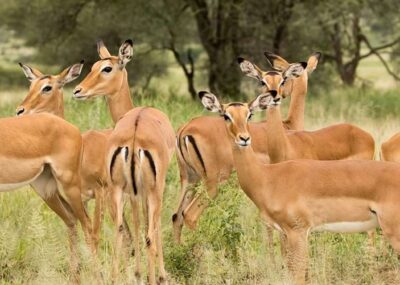
Large buffalo herds dominate the floodplains, often numbering in the thousands. Elephants roam throughout the park, moving between woodlands and water sources. Zebra, giraffe, impala, topi, eland, reedbuck, hartebeest, waterbuck, and warthog are commonly encountered during game drives.
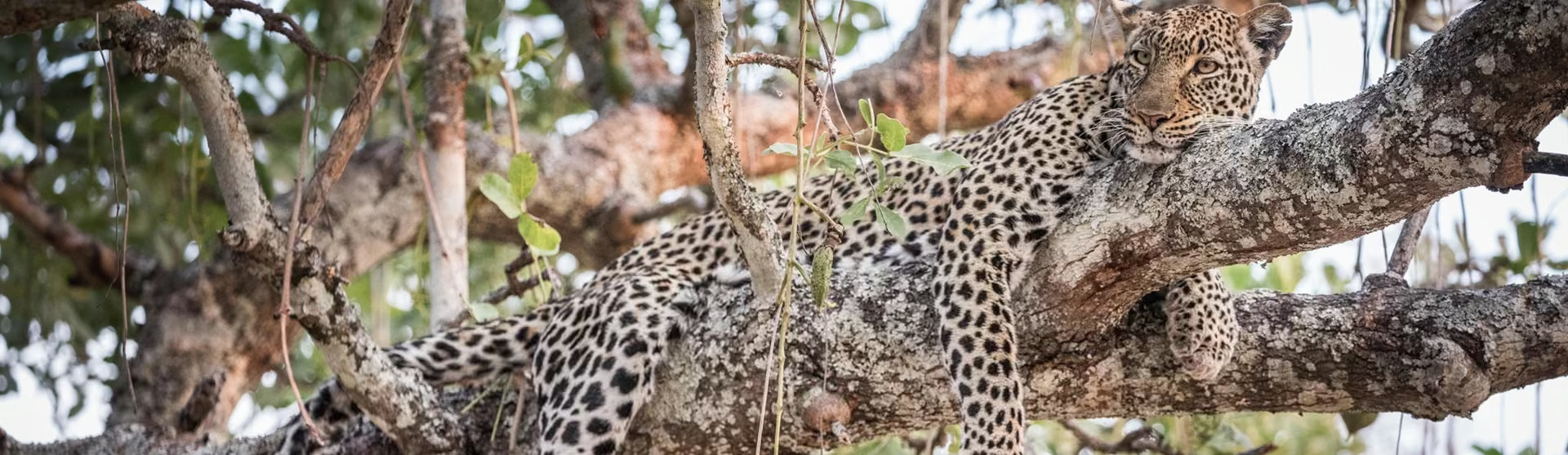
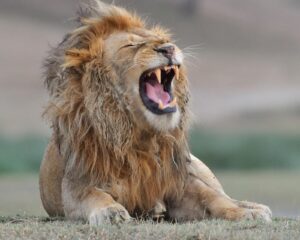
Predators are abundant. Lions are frequently seen resting under acacia trees or following buffalo herds. Leopards remain elusive but are regularly spotted by experienced guides. Spotted hyenas patrol the plains and river systems, while crocodiles lurk in rivers and pools.
The park’s relative isolation allows these species to thrive in a natural environment largely free from human disturbance.
Perhaps the most iconic wildlife spectacle in Katavi involves its hippos.
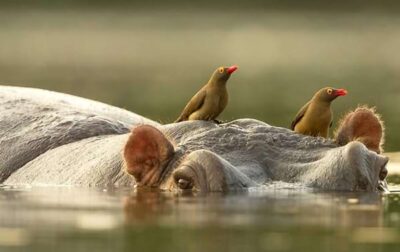
As water levels decline during the dry season, hundreds of hippos crowd into shrinking pools along the Katuma River. These densely packed gatherings create dramatic displays of territorial behavior, vocalization, and competition.
The spectacle attracts photographers and wildlife filmmakers from around the world.
Equally impressive are the enormous Nile crocodiles that inhabit the river systems. Some individuals grow to impressive sizes and can often be seen basking along muddy banks or waiting patiently beneath the water’s surface.
Few places in Africa provide such close and consistent opportunities to observe the interactions between these two iconic species.
Bird lovers will find Katavi exceptionally rewarding.
More than 400 bird species have been recorded within the park, making it one of Tanzania’s premier birding destinations.
Fish eagles patrol waterways, kingfishers flash brilliant colors along riverbanks, and storks, herons, bee-eaters, hornbills, and rollers provide endless photographic opportunities.
The wet season attracts migratory species from Europe and Asia, increasing bird diversity even further.
Whether you are an experienced birder or appreciate beautiful wildlife, Katavi offers outstanding birdwatching throughout the year.
Game drives remain the signature safari experience in Katavi National Park, offering exceptional wildlife viewing in one of Africa’s most remote and unspoiled wilderness areas. Early morning drives are particularly rewarding, as predators such as lions, leopards, and hyenas are often active before the heat of the day, while herbivores emerge to graze across the open plains and floodplains.
Afternoon game drives reveal a different side of Katavi, with wildlife congregating around the Katuma River, seasonal lakes, and remaining water sources. Large herds of buffalo, elephants, zebras, and antelopes can often be seen alongside impressive concentrations of hippos and crocodiles.
What truly sets Katavi apart is the absence of crowds. With very few vehicles in the park, guides have the freedom to follow wildlife movements, linger at remarkable sightings, and focus on interpreting animal behavior rather than rushing between locations. This flexibility creates a more intimate and authentic safari experience, allowing guests to immerse themselves in the rhythms of the African wilderness while enjoying uninterrupted wildlife encounters and breathtaking landscapes.
Walking safaris provide one of the most immersive ways to explore Katavi.
Accompanied by professional guides and armed rangers, visitors leave the vehicle behind and enter the wilderness on foot.
Walking safaris reveal details often overlooked during game drives. Animal tracks, bird calls, medicinal plants, insects, and ecological interactions become central to the experience.
Many guests describe walking safaris as the highlight of their visit because they foster a deeper connection with nature and provide a completely different perspective on the African bush.
The wilderness transforms after sunset.
Night game drives reveal a hidden world inhabited by nocturnal creatures rarely seen during daylight hours.
Bush babies leap through trees, civets and genets emerge from cover, porcupines forage along tracks, and predators become increasingly active.
The sounds of the African night, combined with the excitement of searching for elusive wildlife, create an unforgettable safari experience.
For travelers seeking adventure, fly camping offers one of the most authentic safari experiences available in Tanzania.
Guests hike into remote areas accompanied by guides and support staff before spending the night under canvas in the wilderness.
Evenings are spent around the campfire, sharing stories beneath spectacular star-filled skies while listening to the sounds of nature all around.
Few experiences create a stronger connection with Africa’s wilderness.
Katavi offers excellent experiences throughout the year, although wildlife viewing varies by season.
The dry season is generally considered the best time to visit. Water sources shrink, concentrating wildlife around rivers and pools. This period offers exceptional game viewing, predator sightings, and photography opportunities.
Short rains transform the landscape, bringing fresh vegetation and beautiful scenery. Birdlife becomes increasingly active, and visitor numbers remain low.
The park is lush and vibrant. Birdwatching is excellent, and many animals give birth during this period. Landscapes are particularly attractive for photography.
The park receives significant rainfall, and some areas may become difficult to access. However, travelers who enjoy solitude and dramatic scenery may find this season rewarding.
The most convenient way to reach Katavi National Park is by air. Scheduled and charter flights operate from Dar es Salaam to Katavi throughout the safari season, providing a fast and comfortable journey into one of Tanzania’s most remote wilderness areas. The flight itself offers spectacular aerial views of the country’s diverse landscapes, from vast savannahs and mountain ranges to remote lakes and river systems.
Flying significantly reduces travel time and allows visitors to maximize their safari experience, making it the preferred option for most travelers.
For adventurous travelers seeking a deeper connection with Tanzania, Katavi can also be reached via Mpanda, the nearest town to the park. Long-distance buses operate between major cities such as Arusha, Mwanza, Kigoma, and Sumbawanga, connecting travelers to Mpanda through scenic routes that pass through rural villages, agricultural regions, and less-visited parts of the country.
At Calabash Adventures, we can arrange comfortable bus transportation and travel assistance from Mwanza to Mpanda, as well as from Kigoma and Sumbawanga to Mpanda, making overland travel easier and more convenient for independent travelers and budget-conscious adventurers.
From Mpanda, private road transfers can be organized directly to Katavi National Park and surrounding safari lodges. While the overland journey requires more time and patience than flying, it provides a unique opportunity to experience everyday Tanzanian life, interact with local communities, and witness the changing landscapes of western Tanzania before arriving in one of Africa’s last great wilderness destinations.
Accommodation in Katavi National Park reflects the park’s exclusive and remote character, focusing on quality, authenticity, and exceptional wilderness experiences rather than large-scale tourism. Visitors can choose from a carefully selected range of luxury tented camps, intimate safari lodges, seasonal camps, and adventurous fly-camping experiences, each designed to immerse guests in one of Africa’s last truly wild landscapes.
Most properties are strategically positioned close to the wildlife-rich plains, river systems, and floodplains that make Katavi famous, allowing guests to maximize their game-viewing opportunities while enjoying spectacular views and a genuine connection to nature. With only a handful of camps and lodges operating within and around the park, visitors benefit from a sense of privacy and exclusivity rarely found in more popular safari destinations.
Notable accommodation options include Chada Katavi, renowned for its classic safari atmosphere and walking safaris; Nomad Tented Camp Katavi, offering an intimate tented experience in the heart of the wilderness; Mbali Mbali Katavi Lodge, known for comfort and panoramic views; and Ihama Lodge, a welcoming safari lodge that provides easy access to the park’s remarkable wildlife while combining comfort with authentic bush hospitality.
For adventurous travelers seeking a deeper connection with the wilderness, fly-camping experiences allow guests to spend nights under the African stars in remote locations, accompanied by experienced guides and the sounds of the surrounding bush. Whether choosing a luxury lodge, a classic tented camp, or a wilderness fly-camp, visitors to Katavi are rewarded with exceptional hospitality, spectacular wildlife encounters, and one of the most exclusive safari experiences in Tanzania.
One of Tanzania’s most extraordinary safari combinations is Katavi and Mahale.
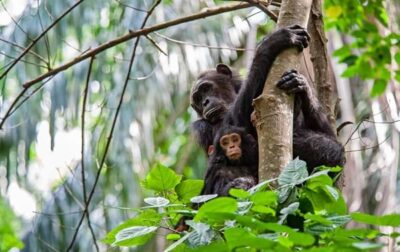
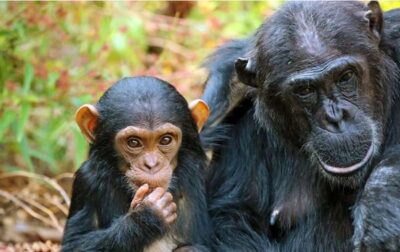
After experiencing classic African wildlife in Katavi, travelers fly to Mahale Mountains National Park, where dense forests meet the shores of Lake Tanganyika.
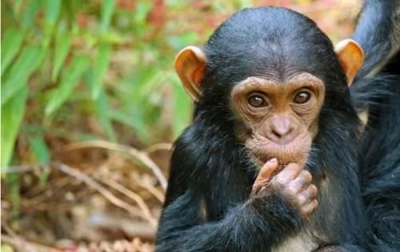
Mahale is famous for its wild chimpanzees, offering unforgettable trekking experiences that complement traditional safari activities perfectly.
The combination delivers two completely different yet equally remarkable wildlife experiences.
Another exceptional itinerary combines Katavi with Gombe Stream National Park.
Known worldwide for Jane Goodall’s pioneering chimpanzee research, Gombe provides intimate encounters with one of humanity’s closest relatives.
Together, Katavi and Gombe create an unforgettable western Tanzania adventure.
For experienced safari travelers seeking true wilderness, combining Katavi with Ugalla River National Park offers unparalleled exclusivity.
Ugalla remains one of Tanzania’s least-visited protected areas and is ideal for walking safaris, wilderness exploration, and conservation-focused travel.
The combination represents one of East Africa’s last genuine frontier safari experiences.
Perfect for travelers with limited time, focusing on game drives and wildlife viewing around the Katuma River and floodplains. Sample itinerary
Provides opportunities for game drives, walking safaris, night drives, and exploration of multiple habitats.
Ideal for photographers and wildlife enthusiasts seeking a comprehensive safari experience.
Combines exceptional wildlife viewing with chimpanzee trekking and Lake Tanganyika adventures.
The ultimate itinerary features Katavi, Mahale, Gombe, and Ugalla for an in-depth exploration of Tanzania’s western wilderness.
For your website, I would present the pricing as an estimated price guide rather than fixed rates, since actual costs vary by season, park fees, accommodation availability, and group size.
| Safari Type | Duration | Minimum Pax | Estimated Price (US$) Per Person |
|---|---|---|---|
| Day Trip from Mpanda | 1 Day | 2 Pax | $250 |
| Budget Camping Safari | 2 Days / 1 Night | 2 Pax | $450 – $650 |
| Budget Camping Safari | 3 Days / 2 Nights | 2 Pax | $650 – $950 |
| Mid-Range Safari | 3 Days / 2 Nights | 2 Pax | $950 – $1,450 |
| Mid-Range Safari | 4 Days / 3 Nights | 2 Pax | $1,350 – $2,100 |
| Comfort Lodge Safari | 4 Days / 3 Nights | 2 Pax | $1,800 – $2,800 |
| Luxury Tented Camp Safari | 4 Days / 3 Nights | 2 Pax | $2,500 – $4,500 |
| Luxury Fly-In Safari | 5 Days / 4 Nights | 2 Pax | $4,000 – $7,500 |
| Ultra-Luxury Exclusive Safari | 6–8 Days | 2 Pax | $7,500 – $15,000+ |
✓ Katavi National Park entrance fees
✓ Professional English-speaking safari guide
✓ 4×4 safari vehicle with pop-up roof
✓ Drinking water during game drives
✓ Accommodation as specified
✓ All meals during safari
✓ Airport or bus station transfers where applicable
Unlike the more crowded northern parks, Katavi delivers extraordinary wildlife viewing with very few vehicles. Visitors can enjoy massive buffalo herds, large elephant populations, predators, and dramatic dry-season wildlife concentrations while experiencing one of Africa’s most exclusive safari destinations. Whether you choose a simple camping adventure or a luxury fly-in experience, Katavi provides a level of wilderness and authenticity that is increasingly rare in modern safari travel.
Prices are indicative and may vary depending on season, accommodation choice, charter flights, and group size. Contact Calabash Adventures for a customized quotation.
Serengeti is famous for the Great Migration and extensive tourism infrastructure. Katavi offers fewer visitors, greater exclusivity, and a stronger sense of wilderness. Travelers seeking solitude often prefer Katavi.
Both parks offer exceptional wildlife. Ruaha is larger and attracts more visitors, while Katavi provides greater exclusivity and some of Africa’s most dramatic dry-season wildlife concentrations.
Nyerere is famous for boat safaris and diverse habitats. Katavi excels in remote wilderness experiences and concentrated wildlife viewing during the dry season.
Absolutely. Katavi offers some of Africa’s best wildlife viewing combined with exceptional exclusivity and wilderness.
A minimum of three nights is recommended, although five to seven nights provide a much richer experience.
Katavi is home to lions, elephants, buffalo, leopards, and other iconic species, although rhinos are not commonly found within the park.
Yes. While remote, the park offers exceptional wildlife viewing and unforgettable experiences for both first-time and experienced safari travelers.
No. Katavi remains one of the least-visited national parks in Africa.
At Calabash Adventures, we specialize in designing personalized safaris that showcase Tanzania’s most remarkable wilderness destinations. Our local expertise, professional guides, and extensive experience in western Tanzania allow us to create journeys that go far beyond traditional safari experiences. Whether you are interested in luxury fly-in safaris, chimpanzee trekking, walking safaris, fly camping, family adventures, cultural encounters, or photographic expeditions, our team will tailor every detail to match your interests and travel style.
With a dedicated operations office located just 800 meters from Katavi National Park, we offer unmatched local knowledge and on-the-ground support, ensuring seamless logistics and exclusive access to one of Tanzania’s most remote safari regions. From the vast plains of Katavi and the chimpanzee forests of Mahale and Gombe to hidden wilderness areas rarely visited by tourists, we create authentic experiences that connect travelers with the true spirit of wild Africa. Our commitment to personalized service, conservation, and exceptional guiding ensures every safari becomes a memorable journey filled with extraordinary wildlife encounters and lasting memories.
Katavi National Park is one of Africa’s last truly wild places—a destination where vast landscapes, extraordinary wildlife, and genuine solitude combine to create unforgettable safari experiences. Whether you dream of watching thousands of buffalo cross floodplains, tracking chimpanzees in Mahale, exploring the wilderness on foot, or sleeping beneath the stars in a remote fly camp, Katavi offers adventures unlike anywhere else in East Africa.
Contact Calabash Adventures today and let our safari specialists design your tailor-made Katavi National Park safari and western Tanzania adventure.


Book Now & Save Big 2026
*View Available Safari Deals.