
"I have lived in the Serengeti for more than 20 years, but flying over the long lines of migrating wildebeest or watching them gather before a river crossing, still takes my breath away and makes my heart pound. Nowhere in the world can we watch such a spectacular scene, nowhere do we have such a large number and diversity of large mammals." Dr. Markus Borner, Representative of the Frankfurt Zoological Society.
Safari Itinerary:
Day 1 - Arrive in Tanzania.
Meet at JRO airport in the morning and transfer to Plantation Lodge in Karatu near the Ngorongoro Crater. On the way, you will take in a game drive in the Lake Manyara National park – famous for the tree-climbing lions, amazing birdlife, hippos, elephants and flamingos. Lunch will be provided. Full Board accommodation at Ngorongoro Farm House
Day 2: Ngorongoro Crater After breakfast, a morning descent into the Ngorongoro Crater –known as the eighth wonder of the world. You will experience the most amazing geological sites and see masses of wildlife during your tour. A crater rim walk can be arranged. After your picnic at a special Ngorongoro picnic site you will drive back to your lodge. Activities such as a guided walk through the coffee plantation or neighboring sites can also be arranged during the afternoon. Full Board accommodation Ngorongoro Sopa Lodge
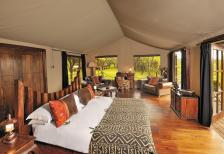
Day 3: To central Serengeti After breakfast, you continue to the Serengeti National Park for a game drive in the central heartlands, whose vast plains are home to 4 million mammals and birds - the greatest concentration of wildlife on the planet. After a picnic lunch you drive to Luxury Mobile Camp, whose location moves with the animal migrations. Full Board accommodation at Luxury Mobile Camp/Serengeti Sopa Lodge/Serengeti Serena Lodge
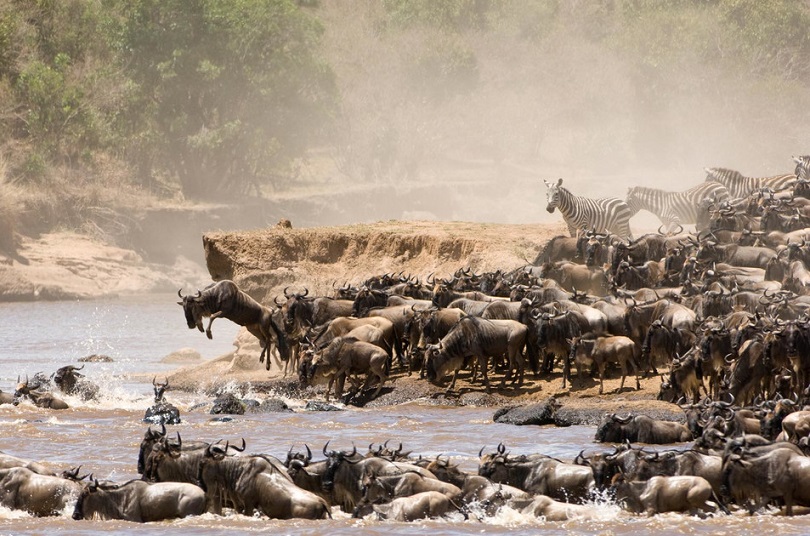
Day 4-6: Tracking the Migration in Serengeti – Western corridor/Lobo/Mara River or Kirawira River A full day in Serengeti, with opportunities to view the wildebeest and zebra migration close up (especially impressive during June-July and Aug-Sept; (also during the calving months of Dec-March click here), and/or to take a breathtaking balloon trip (best during June to November; excluded from cost). Full Board accommodation at Luxury Mobile Camp/Mbalagate Tented Lodge
Day 7 - 11: To northern Serengeti –Mara River migration crossing After breakfast you will drive to Lobo area for game drive, on the remote border with Kenya. Here you will be taken on game drives before continuing to the exclusive and little-known tented camp of Sayari on the Mara river. Full Board accommodation at Sayari Camp/Simiya Luxury Camp
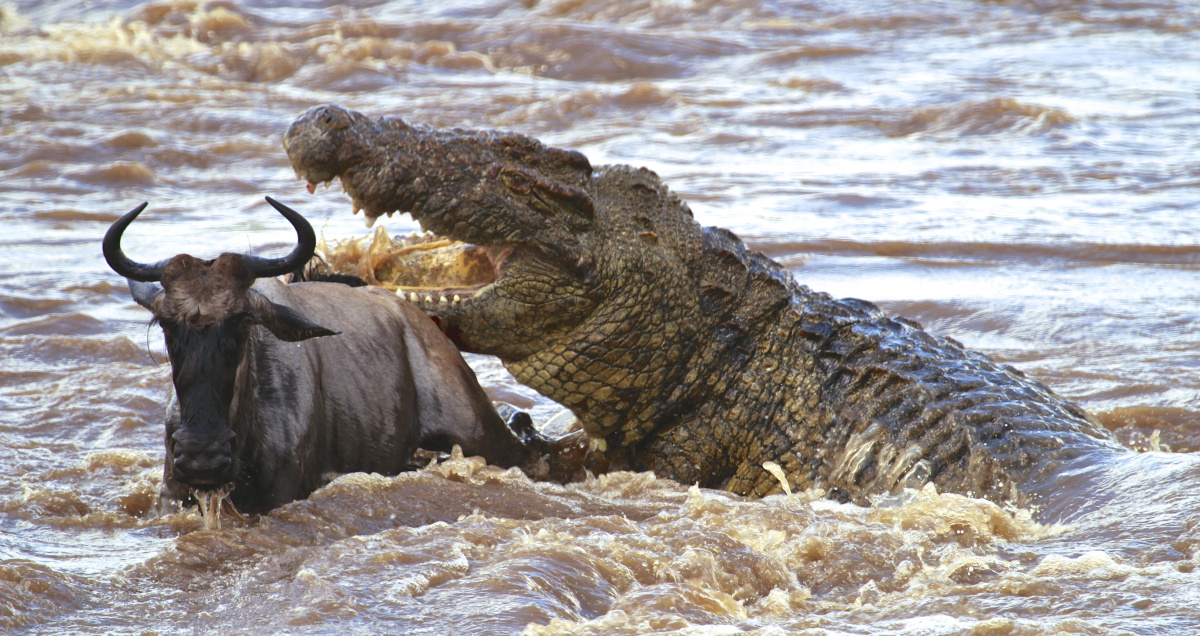
Day 8: In northern Serengeti A full day in and around Sayari camp - the ideal setting to watch the migration cross the Mara river, including the hungry crocodiles waiting for one of the weaker wildebeest to fall. Full Board and accommodation at Sayari Camp
Day 12: To Arusha After breakfast, drive to Koga Tende airstrip and fly to Arusha on the 10.15am Coastal Air service/Fly540/Regional Air.
End of migration Safaris
SAFARI PRICE
Per person sharing US$2000 – US$5820 all inclusive
NOTE: To fix the price you need to request this package. Price will depend on the accomodation used during the migration. Migrating: Wanderlust or Must?
INCLUDING
· Transport in 4WD Safari car + driver guide
· Flights from Serengeti to Arusha
· All meals on safari including mineral water,
· Accommodation Lodges as indicated above
· National Park entry fees.
· Camping fees.
· 4X4 Safari Jeep
· Airport Transfers
Not Included:
· Local Flight in Tanzania/Kenya (can also arranged on request).
· All drinks beer, wine and spirits (as well as gifts like local crafts etc).
· International flights tickets from you country.
· Tips for staff such as guides and other staff.
· Things of personal nature.
The wildebeest are one of the most important pieces in the Serengeti ecosystem puzzle. Their migration is as old as the history of mankind. For many millenniums the wildebeest followed the rains and used the Serengeti ecosystem with its mosaic of grasslands and savannas to their advantage. Everyone who has a chance to see nearly two million animals on the move has been touched by the magic of this place. Even so the wildebeest looks a bit like a clown and, according to an African legend, has been put together by God using left over spare parts, the animal is superbly fit for its migratory lifestyle.
The wildebeest spent the rainy season from December to June in the volcanic open plains below the Ngorongoro Crater where the grass growth is most productive and nutrient contents high. It is here that the calves are born. Calving season is short and the predators cannot make a dent in the new-borns with such a sudden surge of food. When the monsoon rains stop in June, the plains dry out and the wildebeest move west towards Lake Victoria in search of pasture and rains. The plains become a harsh and dry semi-desert in which no wildebeest could survive. Only through migration can the wildebeest and zebra use the widespread resources of the ecosystem and build up such large numbers. Following der rainfalls the migration moves on to the north, into the Masai Mara, where the rift wall catches the last rains even in the middle of the dry season. With the onset of the monsoon rains in December the wildebeest move back into the lush Serengeti plains.
|